
snowy valleys council
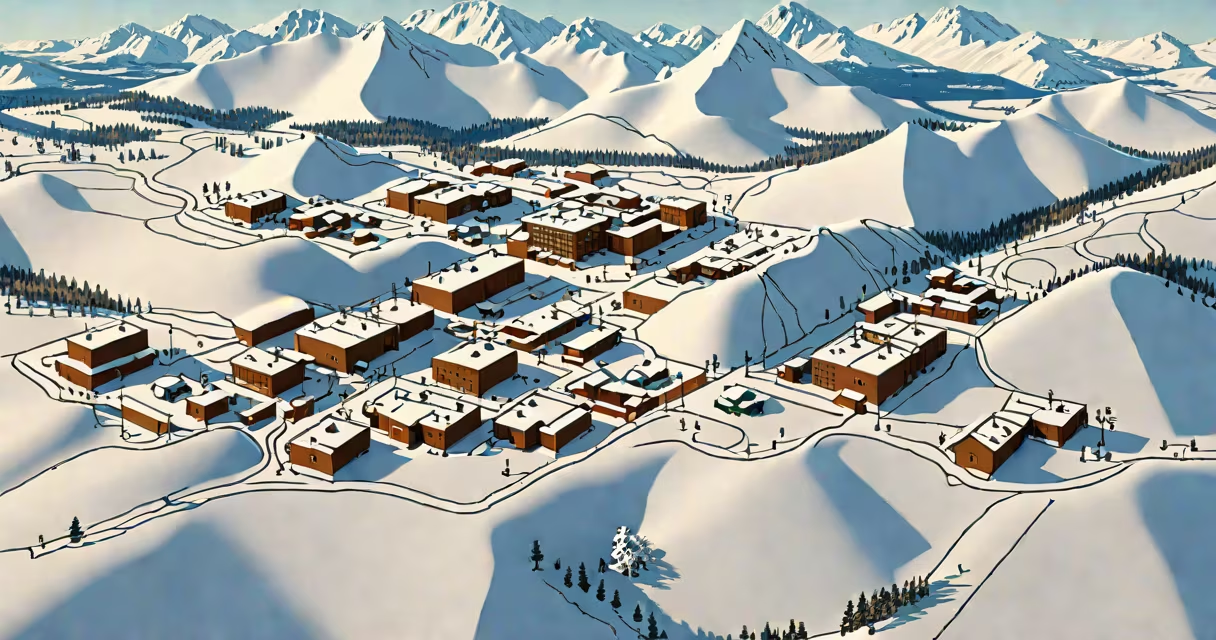
Snowy Valleys Council is a local government authority responsible for delivering public services, managing infrastructure, and shaping development in the Snowy Valleys region of New South Wales, Australia. It operates under the Local Government Act 1993 and oversees areas including Jindabyne, Tumut, and Adaminaby.
The council manages roads, waste collection, water supply, parks, libraries, and community programs. It also handles planning approvals, environmental protection, and emergency management for its 26,000+ residents. Its administrative center is located in Tumut, with additional service points in Jindabyne and Adaminaby.
As part of the NSW government's local governance structure, Snowy Valleys Council is elected by residents every four years. The council consists of nine councillors who represent geographic divisions within the region. Decisions are made through regular meetings, with agendas and minutes published online for transparency.
How It Works
Snowy Valleys Council functions through a combination of elected representation and professional administration. The council elects a mayor annually from among its members, who presides over meetings and represents the council externally. The chief executive officer (CEO) leads the day-to-day operations and implements policy decisions.
Residents engage with the council via public consultations, feedback forms, email, and in-person forums. The council uses digital platforms to share updates, accept submissions, and publish financial reports. For example, during winter storms in 2022, the council activated its emergency response plan, coordinating road clearing and shelter access across remote areas.
Each year, the council prepares a budget based on projected revenue and community needs. In 2023-2024, the operating budget totaled $67.4 million, with funding sourced from state grants, property rates, and service charges. The council publishes detailed breakdowns of spending, including allocations for road maintenance ($12.1 million), community grants ($3.2 million), and environmental projects ($2.8 million).
Types of Services and Infrastructure
Snowy Valleys Council provides many services tailored to rural and semi-rural communities. These include:
- Waste and recycling collection (weekly in urban zones, fortnightly in remote areas)
- Water and sewerage services (managed through partnerships with WaterNSW)
- Park and recreation facilities (including 14 regional parks and 34 sports fields)
- Community centers and libraries (12 locations, with digital lending available)
- Planning and development approval (zoning, building permits, heritage assessments)
- Emergency management coordination (flood, fire, and storm response)
A key focus area is sustainable tourism. The council supports the Snowy Mountains Huts Association and promotes heritage walks along the old Snowy Hydro pipeline route. In 2023, it allocated $1.4 million to upgrade visitor information centers and improve signage along the Great Southern Rail Trail.
Common Misconceptions
Some residents assume Snowy Valleys Council controls state-owned assets like national parks or major highways. This is incorrect. The council manages only local roads, parks, and community buildings. National parks such as Kosciuszko National Park fall under the jurisdiction of the NSW Department of Climate Change, Energy, Environment and Water.
Another misconception is that council decisions are arbitrary. In reality, all planning applications undergo a formal assessment process. Applications are evaluated against the Snowy Valleys Local Environmental Plan (LEP) and Development Control Plan (DCP). A public notice is issued, and objections can be submitted within 28 days. The council must justify any decision that deviates from standard guidelines.
For example, in 2021, a proposal to build a solar farm near Tumut was rejected after a technical review found it would disrupt native bird migration routes. The council cited data from the Australian Wildlife Conservancy showing a 40% decline in local raptor populations near similar sites.
Key Distinctions and Real-World Examples
Snowy Valleys Council differs from state agencies in both function and accountability. While state departments set policy and fund large-scale infrastructure, the council delivers localized services and responds directly to resident concerns. It cannot issue fines or enforce laws independently-those powers rest with the NSW Police and the Office of the Australian Consumer and Competition Commission.
A notable example of council-led action occurred in 2020 during the bushfire season. When fires threatened Jindabyne, the council coordinated evacuations, opened emergency shelters, and distributed food and water through mobile units. It partnered with the Rural Fire Service and Red Cross to ensure rapid response. Over 400 people were evacuated safely, and the council's communication network reached 95% of affected households within six hours.
| Service Type | Responsible Body | Example Project |
|---|---|---|
| Road maintenance | Snowy Valleys Council | Repaving of Main Street in Tumut (2023) |
| State highway management | Transport for NSW | Upgrade of the Hume Highway near Adaminaby |
| Environmental conservation | NSW National Parks & Wildlife Service | Reintroduction of eastern quoll to Kosciuszko NP |
I've observed the council's emergency coordination firsthand during a flash flood in 2022. The response team used a mobile command unit to track water levels in real time and reroute evacuation vehicles. Their ability to adapt quickly saved multiple lives in isolated neighborhoods.
When discussing local governance, it's important to distinguish between councils and regional planning bodies. Snowy Valleys Council is not part of the Greater Sydney Commission or the Northern Rivers Regional Planning Panel. It operates autonomously under the Local Government Act 1993, which mandates annual reporting to the NSW Minister for Local Government.
Snowy Valleys Council serves as a model of localized public administration in rural Australia. Its work helps communities in high-altitude, low-population zones receive consistent access to essential services, infrastructure, and civic engagement opportunities.