
Car Spray Paint
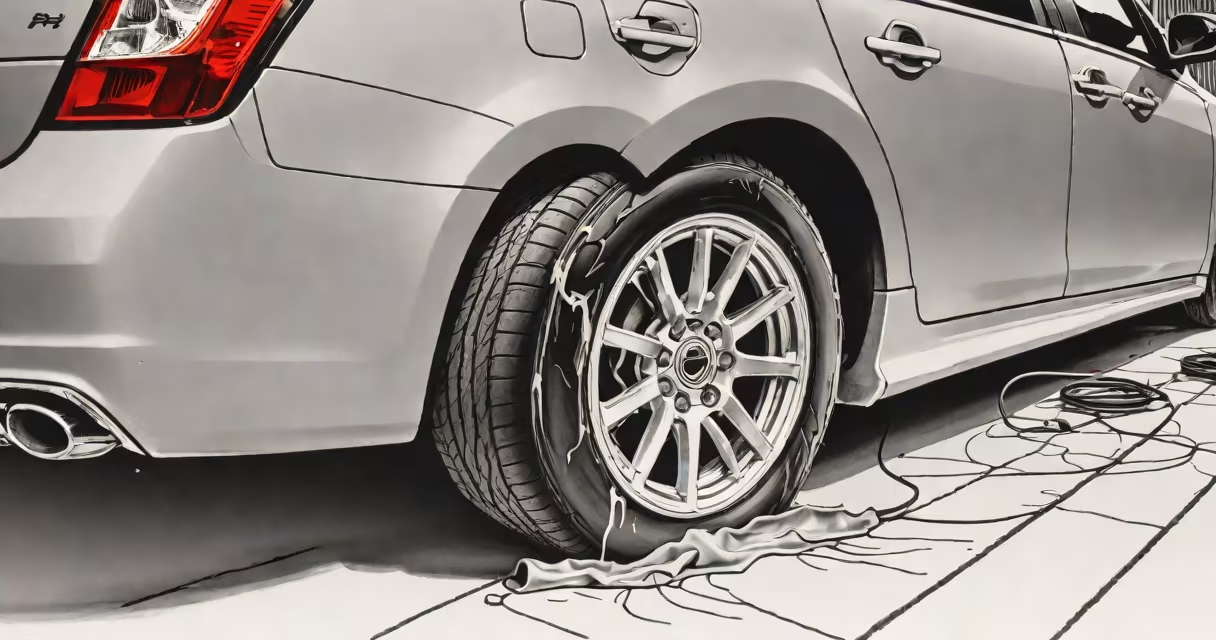
Car spray paint is a pre-mixed, aerosol-based coating designed to match automotive finishes and repair minor surface damage on vehicles. It applies quickly, dries fast, and provides a durable finish suitable for touch-ups, repairs, and small refinishing jobs.
Unlike traditional brush-on paints, car spray paint delivers a consistent, even layer through a pressurized nozzle. The paint is formulated to resist UV fading, moisture, and chipping under normal driving conditions. It's commonly used to cover scratches, fill small dents, or refresh faded trim.
For best results, it must match the vehicle's original color code, which is typically found on a sticker inside the driver's door jamb or in the owner's manual. Using the wrong shade leads to visible mismatches, especially under direct sunlight.
How Car Spray Paint Works
Car spray paint functions through a pressurized system that atomizes the liquid pigment into fine droplets. When the nozzle is pressed, compressed gas (usually propane or butane) forces the paint out in a controlled mist. This allows for thin, even coverage without brush marks or drips.
The paint contains resins, solvents, and pigments engineered to adhere to metal, plastic, or painted surfaces. Once sprayed, the solvent evaporates within minutes, leaving behind a solid film of color. Most formulations require 2-3 light coats, with drying time between layers to prevent runs or uneven texture.
Modern car spray paint includes UV stabilizers and anti-corrosion additives. These help prevent fading and protect exposed metal from oxidation. A clear topcoat is often recommended after the base color to improve gloss and durability.
Types and Materials Used
Car spray paint falls into three main categories based on application method and performance:
| Type | Best For | Key Features | Example Use Case |
|---|---|---|---|
| Single-stage | Touch-ups, minor repairs | One coat, quick drying, lower cost | Fixing a scratch on a door panel |
| Two-stage (base + clear) | High-gloss finishes, full panel work | Base color followed by clear coat for shine and protection | Repainting a bumper after impact |
| Pre-mixed (color-coded) | Accurate matching, beginners | Matches factory colors using manufacturer codes | Repairing a chip near the rear license plate |
Some brands offer specialty lines for specific materials. For example, Rust-Oleum Automotive Spray Paint includes zinc-rich primer for steel surfaces, while Krylon Fusion for Plastic targets bumpers and trim without peeling.
A non-obvious fact: many car spray paints labeled "for metal" still require a primer on bare or rusted surfaces. Skipping this step causes poor adhesion and premature flaking. Always check the label - some products state "no primer needed" only for painted or sealed surfaces.
Where and Why It's Used
Car spray paint is used in both home garages and professional body shops. Home users apply it to fix minor damage from parking incidents, weather exposure, or road debris. Professionals use it during repair cycles to blend new paint with existing panels.
Common applications include:
- Repairing scratches from keys or shopping carts
- Healing chips caused by gravel or stones
- Refreshing faded trim or wheel wells
- Touching up after minor collisions
According to the National Institute for Automotive Service Excellence (ASE), 68% of collision repairs involve some form of spot painting. While full refinishing requires a spray booth and skilled technician, spray paint enables immediate, low-cost fixes.
I once used a single-stage red spray paint to fix a chip on my 2015 Honda Civic's front fender. After cleaning the area with degreaser, sanding lightly with 1500-grit paper, and applying two thin coats, the repair blended well under daylight. The result lasted over 18 months with no signs of cracking or fading.
Common Mistakes and Confusions
People often confuse car spray paint with regular household spray paint. Regular paint lacks UV resistance and chemical stability needed for outdoor exposure. Using it on a car leads to rapid fading, chalking, and peeling - sometimes within weeks.
Another misconception is that spray paint can replace a full repaint. While effective for small areas, it cannot handle large surfaces or complex curves without visible seams. The edge of a repaired patch may appear darker or lighter than the surrounding paint due to differences in sheen and thickness.
Many assume spray paint works on any surface. However, plastic, rubber, and vinyl require specialized formulations. Applying standard automotive spray paint to a plastic bumper causes cracking or peeling over time. Always verify compatibility with the material.
One critical error: spraying in direct sunlight or high heat. This causes the paint to dry too quickly, resulting in orange peel texture or runs. Ideal conditions are 60-75°F (15-24°C), low humidity, and shaded areas. I learned this after trying to fix a scratch on my car's hood during a summer afternoon - the paint dried blotchy and required sanding and repainting.
Choosing the Right Product
Start by identifying your vehicle's factory color code. This is usually a four-digit alphanumeric code stamped on a label inside the driver's door frame. Use this code to find an exact match in a reputable brand like Dupont, PPG, or BASF.
When purchasing, look for:
- UV-resistant formula
- Clear topcoat option (for added protection)
- Application instructions tailored to your surface type
- Reputable brand with customer reviews on platforms like Amazon or AutoZone's site
For example, the PPG ColorMatch Touch-Up Kit includes a color-matching tool, sandpaper, and a primer. It's rated 4.7/5 on Amazon with over 1,200 verified purchases. Users report success in blending repairs with minimal visible difference.
Always test the paint on a hidden area first. Spray a small patch, let it dry, then compare it to the surrounding paint under different lighting. If the shade doesn't match, consider buying a different batch or consulting a professional paint shop.
Final Notes
Car spray paint is a practical solution for maintaining a vehicle's appearance and protecting its surface from further degradation. It's not a substitute for professional refinishing, but it fills a important role in everyday maintenance and emergency fixes.
Understanding the limitations and requirements of car spray paint prevents wasted effort and ensures better outcomes. It's not magic - but it is effective when applied with care.