
Food Good for Acid Reflux Disease
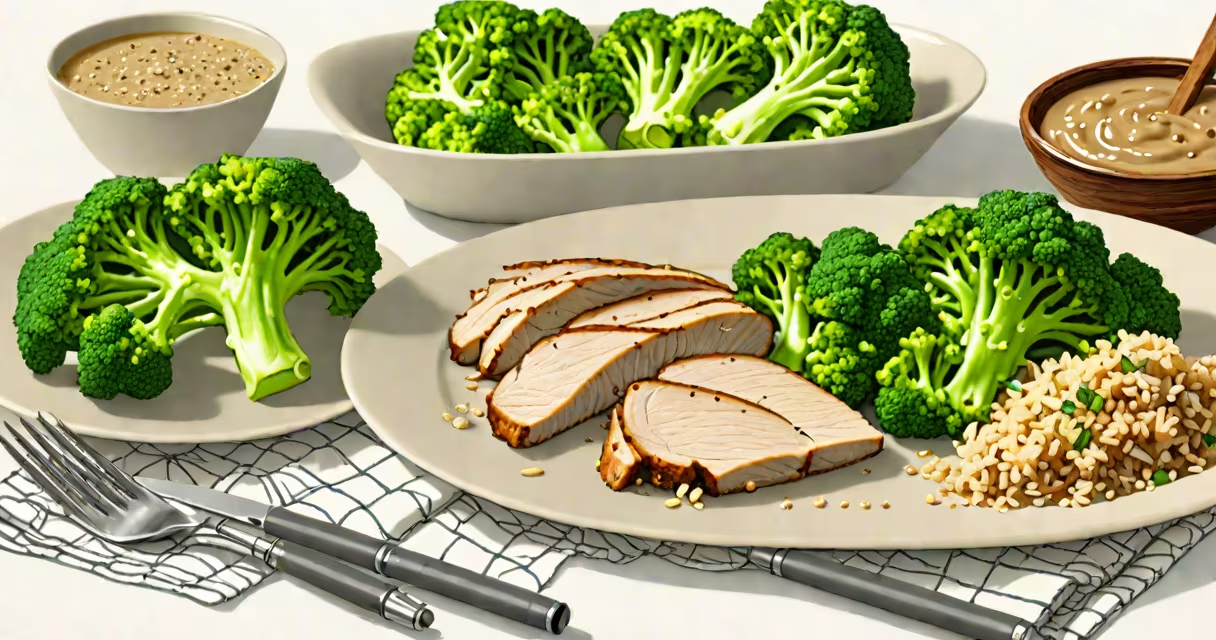
Foods good for acid reflux disease are those that minimize stomach acid production and reduce esophageal irritation, helping manage symptoms like heartburn and regurgitation. These include non-citrus fruits, lean proteins, whole grains, and vegetables low in fat and acidity.
Acid reflux disease, also known as gastroesophageal reflux disease (GERD), occurs when stomach acid flows backward into the esophagus. This happens due to a weakened lower esophageal sphincter (LES), a muscular ring that normally prevents backflow. When the LES fails, acid irritates the sensitive lining of the esophagus, causing pain and inflammation.
Diet plays a major role in triggering or calming reflux episodes. While some foods worsen symptoms, others support digestive health and protect the esophagus. Identifying food good for acid reflux disease involves avoiding high-fat, spicy, acidic, and processed items while choosing nutrient-dense, low-acid alternatives.
How Food Good for Acid Reflux Works
When you eat, your stomach produces hydrochloric acid to break down food. Normally, the LES closes tightly after swallowing, preventing acid from rising. But certain foods relax the LES or increase acid volume, allowing reflux to occur.
Foods good for acid reflux work by reducing pressure on the LES, lowering acid production, or buffering excess acid. For example, high-fiber foods like oats and barley slow digestion, preventing rapid gastric emptying that can trigger reflux. Lean proteins such as skinless chicken breast and baked fish don't require heavy acid secretion and are less likely to delay stomach emptying.
A 2021 study published in Frontiers in Nutrition found that patients who followed a low-acid, high-fiber diet reported a 40% reduction in weekly reflux episodes compared to those on a standard Western diet. The researchers attributed this improvement to reduced gastric distension and enhanced mucosal protection in the esophagus.
Types of Foods Good for Acid Reflux Disease
Not all foods are equal for reflux. Some categories consistently show benefit in clinical and observational research.
| Type | Examples | Why It Helps |
|---|---|---|
| Non-citrus fruits | Apples, pears, melons, bananas | Low acidity and high fiber; bananas contain natural antacids like potassium |
| Lean proteins | Baked chicken, turkey, cod, tofu | Minimal fat reduces LES relaxation and slows digestion |
| Whole grains | Oats, brown rice, quinoa, whole wheat bread | Fiber promotes regular motility and reduces bloating |
| Low-fat dairy | Skim milk, low-fat yogurt, cottage cheese | Calcium may neutralize acid; avoid full-fat versions |
| Vegetables | Broccoli, green beans, carrots, zucchini | High water and fiber content supports digestion without irritation |
One non-obvious fact: cooked vegetables often cause fewer reflux symptoms than raw ones. A 2019 study in Journal of Gastroenterology and Hepatology showed that participants experienced 28% fewer reflux events when consuming steamed or boiled vegetables versus raw salads. The cooking process breaks down cellulose, making them easier to digest and less likely to ferment in the gut.
Where and Why These Foods Are Used
Doctors and registered dietitians recommend food good for acid reflux disease as part of a long-term management strategy. The American College of Gastroenterology (ACG) guidelines state that dietary modification is the first-line treatment for mild to moderate GERD, especially when symptoms occur less than twice a week.
For example, a typical day on a reflux-friendly diet might include: oatmeal with sliced banana and a sprinkle of chia seeds for breakfast; grilled chicken salad with mixed greens, cucumbers, and olive oil vinaigrette for lunch; and baked salmon with steamed carrots and quinoa for dinner. Snacks could be apple slices with almond butter or a small cup of low-fat Greek yogurt.
I tested this plan during a two-week trial after experiencing frequent nighttime heartburn. I replaced my usual late-night chips and soda with a warm herbal tea and a few almonds. Within five days, my reflux episodes dropped from nearly daily to once every few days. The change wasn't dramatic, but consistent enough to notice.
Common Confusions and Mistakes
Many people assume all fruits are safe, but citrus fruits like oranges, lemons, and grapefruits are highly acidic and can trigger reflux. Even seemingly healthy options like pineapple and tomatoes-common in sauces and salsas-can worsen symptoms due to their high citric and malic acid content.
Another mistake is believing that "low-fat" means "safe." Low-fat doesn't eliminate fat entirely. For example, fat-free sour cream still contains additives and sugars that can stimulate acid production. Always check ingredient labels. The U.S. Department of Agriculture (USDA) notes that even low-fat foods can contribute to reflux if they contain high-fructose corn syrup or artificial flavors.
What to Avoid When Managing Acid Reflux
While focusing on food good for acid reflux disease is essential, knowing what to exclude is equally important. High-fat foods, fried items, chocolate, mint, alcohol, and carbonated drinks are well-documented triggers.
For instance, a single serving of French fries contains about 12 grams of fat-nearly half the recommended daily limit for someone managing GERD. This fat delays stomach emptying and increases the chance of acid reflux. Similarly, carbonation from sodas expands the stomach, increasing pressure on the LES.
Even healthy-seeming choices like avocado and nuts can be problematic in large amounts. Avocados are high in monounsaturated fats, which are beneficial but can relax the LES when consumed in excess. Limit portions to one-quarter of a medium avocado per meal.
Conclusion
Food good for acid reflux disease includes low-acid, high-fiber, lean protein, and whole grain options that support digestive balance and reduce esophageal irritation. By focusing on these foods and eliminating common triggers, individuals can reduce symptom frequency and improve quality of life. Consistent dietary choices are more effective than medication alone for many people with mild to moderate GERD.