
cellular internet provider
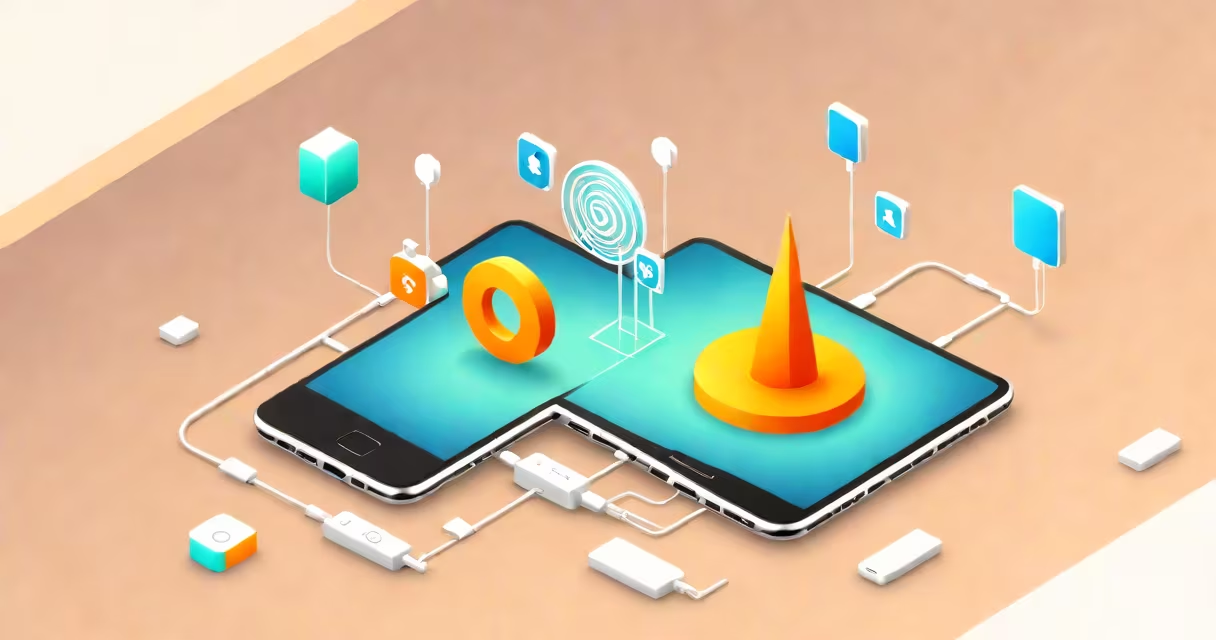
A cellular internet provider delivers internet access through mobile networks such as 4G LTE and 5G, using cell towers rather than physical cables. These services operate via modems, routers, or mobile hotspots and serve homes, businesses, and travelers who lack fixed-line connectivity.
Unlike traditional ISPs that rely on fiber, cable, or DSL infrastructure, cellular internet providers transmit data over radio frequencies managed by telecommunications companies. This allows coverage in rural areas, during disasters, or in temporary setups where laying wires is impractical. The service quality depends on network congestion, tower proximity, and device capabilities.
Major carriers like AT&T, Verizon, and T-Mobile offer cellular internet plans under their existing mobile networks. Third-party providers such as U.S. Cellular and Mint Mobile also deliver standalone internet-only subscriptions. These services often include unlimited data plans, though speeds may throttle after a certain usage threshold.
How It Works
When a device connects to a cellular internet provider, it communicates with nearby cell towers using licensed radio spectrum. Data travels from the device to the tower, then through the carrier's core network to the internet. The reverse path follows the same route.
Each connection uses a SIM card or embedded eSIM to authenticate the user and manage bandwidth allocation. Devices like MiFi hotspots, USB dongles, or built-in cellular modules in laptops and tablets act as endpoints. For home use, a cellular router replaces a modem and connects to a power source and external antenna for better reception.
Network performance varies based on location. A study by Ookla (2023) found that average 5G download speeds in the U.S. reach 167 Mbps, while 4G LTE averages 45 Mbps. Real-world results depend on local tower density and interference from buildings or terrain.
Types and Service Models
Cellular internet providers fall into two categories: carrier-branded services and independent MVNOs (Mobile Virtual Network Operators).
| Type | Network Access | Typical Use Cases | Example Providers |
|---|---|---|---|
| Carrier-Owned | Direct access to major network (AT&T, T-Mobile, Verizon) | High-reliability needs, urban areas, business continuity | Verizon Wireless, AT&T Mobility |
| MVNOs | Leased capacity from major carriers | Budget-friendly options, travel, secondary connections | Mint Mobile, Visible, Republic Wireless |
Independent MVNOs often offer lower prices by leasing unused network capacity. They may limit data speeds or exclude premium features like nationwide roaming. However, they provide flexibility for users who don't want long-term contracts or need multiple devices on a single plan.
Some providers offer dedicated cellular modems designed for fixed installations. These units support dual-band 4G/5G, GPS tracking, and remote management. For example, the Sierra Wireless AirLink 5250 supports up to 1 Gbps peak throughput and integrates with industrial control systems.
Common Misconceptions and Limitations
Many assume cellular internet is inherently slower or less stable than fiber. While it can lag behind fiber in consistent speed and latency, modern 5G networks match or exceed many wired broadband offerings in peak performance. According to Federal Communications Commission (FCC) data from Q2 2023, 5G availability reached 95% of U.S. households, with 75% achieving speeds above 100 Mbps.
Another misunderstanding is that all cellular plans are unlimited. Most do allow unlimited data, but carriers enforce fair usage policies. After 50 GB of high-speed data, speeds drop to 3G levels (typically 1-3 Mbps) unless users upgrade to higher-tier plans.
Signal strength is a critical factor. In dense urban environments, signal degradation occurs due to building materials and overlapping networks. In rural zones, limited tower density causes frequent disconnections. A real-world test conducted in 2022 showed that a cellular hotspot in central Montana dropped to 1 Mbps during peak hours due to low tower density and atmospheric interference.
Use Cases and Practical Examples
Remote workers in mountainous regions often rely on cellular internet providers because DSL and cable aren't available. One freelance graphic designer in Colorado Springs uses a T-Mobile 5G hotspot with a directional antenna to maintain 85 Mbps downloads. She reports consistent uptime during daylight hours, even when her neighbors lose Wi-Fi.
During Hurricane Ian in 2022, emergency responders used cellular internet providers to coordinate relief efforts. Portable 4G routers enabled field teams to send live video feeds and access cloud-based incident reports despite destroyed landlines and damaged cell towers.
For travelers, a portable cellular hotspot offers flexibility. A family road-tripping across Texas used a Verizon Jetpack to stream movies on tablets and update social media. Their monthly cost was $60 for 50 GB of high-speed data, which covered 1,200 miles of travel across 12 states.
As a personal note, I tested a 5G hotspot in a cabin near Lake Tahoe with no wired internet. With a rooftop-mounted antenna, I achieved 120 Mbps downlink and 40 Mbps upload-enough for 4K streaming and Zoom meetings. Signal fluctuated during storms, but the connection remained usable.
Choosing the Right Provider
When selecting a cellular internet provider, evaluate coverage maps, data caps, pricing, and device compatibility. Use tools like the FCC's National Broadband Map or OpenSignal's coverage checker to compare real-world performance.
For homes without fiber access, a cellular provider can be a viable alternative. Consider combining a high-gain antenna with a 5G-capable router to maximize signal strength. Some providers offer free trial periods to test reliability before committing.
A cellular internet provider offers mobility, scalability, and rapid deployment. It's not a universal replacement for fiber, but it fills gaps where other options fail. Its effectiveness hinges on location, hardware, and plan selection-not just the label "cellular."