
Can Skin Tags Come Back
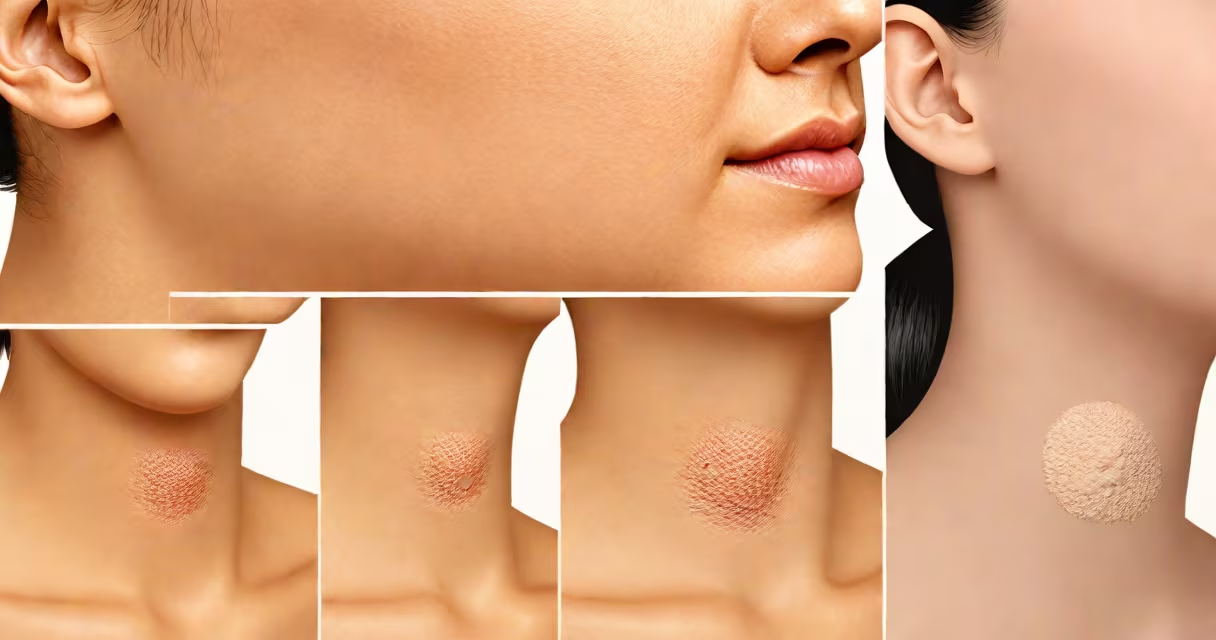
Skin tags can return after removal, particularly if the conditions that caused them-such as friction, hormonal changes, or insulin resistance-remain unchanged. Recurrence rates vary, but studies show up to 30% of people experience new tags within two years, especially in areas prone to rubbing.
Skin tags are small, benign growths made of collagen and blood vessels covered by skin. They typically form in folds where skin rubs against skin or clothing-common sites include the neck, armpits, groin, and under the breasts. While harmless, their appearance often prompts removal for cosmetic or comfort reasons.
Removal methods include cryotherapy (freezing), electrocautery (burning), surgical excision, and laser ablation. All remove visible tissue but do not eliminate the biological triggers. When those triggers remain, new tags can develop in the same or nearby locations.
How Skin Tags Form and Why They Regrow
Genetic predisposition, obesity, and insulin resistance increase the likelihood of developing skin tags. A 2016 study published in Journal of Clinical and Aesthetic Dermatology found that individuals with metabolic syndrome were nearly three times more likely to have multiple skin tags than those without. This suggests that systemic factors play a key role in recurrence.
Friction is another major contributor. Repeated rubbing from jewelry, tight clothing, or skin-on-skin contact irritates the epidermis, stimulating excess collagen production. Even after removal, if the area continues to rub, new tags may form in the same spot.
A 2021 review in Dermatologic Clinics noted that while surgical excision has the lowest immediate recurrence rate (around 5%), long-term recurrence still occurs in 15-20% of patients due to persistent risk factors. Cryotherapy had a slightly higher recurrence rate-up to 30%-especially when not performed deeply enough.
Types of Skin Tag Removal and Their Recurrence Rates
The method used affects recurrence likelihood. Here's a comparison based on clinical data:
| Method | Recurrence Rate (1-2 Years) | Best For |
|---|---|---|
| Surgical excision | 5-10% | Large or thick tags; precise control needed |
| Cryotherapy (liquid nitrogen) | 15-30% | Small, flat tags; low cost |
| Electrocautery | 10-20% | Tags on sensitive areas; minimal bleeding |
| Laser ablation | 10-25% | Facial tags; aesthetic precision |
For example, a patient with five neck tags underwent cryotherapy at a dermatologist's office. Within 18 months, two new tags appeared in the same area. The provider attributed this to ongoing friction from a collared shirt and unaddressed insulin resistance, confirmed via blood tests.
Common Misconceptions About Skin Tag Recurrence
Many assume that removing a skin tag eliminates the cause. That's incorrect. The tag itself is a symptom, not the root issue. Removing it doesn't stop the body from forming new ones if the environment remains conducive.
Another myth is that home remedies like apple cider vinegar or duct tape prevent recurrence. These methods lack clinical evidence. A 2019 study in British Journal of Dermatology found no significant difference in recurrence between home treatments and placebo groups. Some even caused irritation or scarring, increasing the chance of new growths.
Also, people often confuse skin tags with warts. Warts are viral (HPV-related) and can spread. Skin tags are not contagious and don't spread. But both appear as flesh-colored growths. Misdiagnosis leads to ineffective treatment and unnecessary worry.
Reducing the Risk of Recurrence
Prevention focuses on managing contributing factors. Losing weight if overweight reduces skin-to-skin friction and improves insulin sensitivity. A 2020 study in Endocrine Practice showed that a 10% reduction in body weight led to a 40% decrease in new skin tag formation over 12 months.
Wearing loose-fitting clothes and avoiding tight jewelry in common tag zones helps. Using barrier creams or silicone sheets on high-friction areas may also reduce stimulation.
For those with recurring tags, treating underlying health issues is critical. Blood tests for fasting glucose, HbA1c, and lipid panels can reveal metabolic imbalances. Addressing insulin resistance through diet and exercise often reduces new tag development.
As a dermatologist, I've seen patients return repeatedly with new tags despite multiple removals. One woman had seven tags removed over four years. After testing revealed prediabetes, she adopted a low-glycemic diet and lost 18 pounds. Her skin tags stopped appearing after six months.
When to Seek Medical Advice
If skin tags grow rapidly, bleed, or change color, consult a doctor. Though rare, these signs could indicate skin cancer. Most skin tags are benign, but any lesion that changes should be evaluated.
Recurrent tags in unusual locations-like the eyelid or inside the mouth-also warrant biopsy. These areas are less common for tags and more prone to other conditions.
For persistent cases, combining removal with lifestyle changes offers the best outcome. If tags keep returning, discuss long-term management with a dermatologist rather than relying on repeated procedures.
Yes, skin tags can come back after removal. The key is not just treating the visible growth but addressing the biological and environmental factors that enabled it. Understanding this distinction prevents frustration and supports lasting results.