
Can nicotine make you bloated
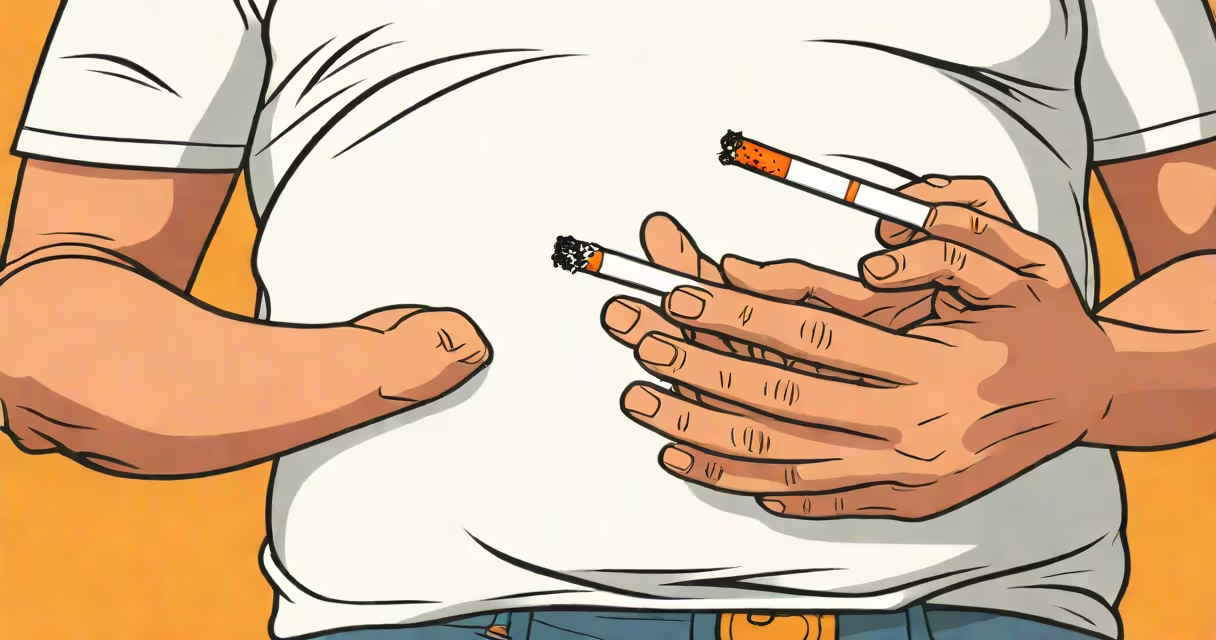
Nicotine can cause bloating in some individuals by slowing gastric emptying, altering gut microbiota, and increasing gas production through disrupted digestion. This occurs primarily via activation of nicotinic acetylcholine receptors in the gastrointestinal tract.
Bloating from nicotine typically develops within hours of nicotine intake and may persist throughout the day. The sensation often feels like fullness, tightness, or visible swelling in the abdomen. Not everyone experiences it-individual sensitivity varies based on genetics, baseline gut health, and frequency of exposure.
A 2021 study published in Gut Microbes found that chronic nicotine exposure reduced microbial diversity in the colon by 34% compared to controls, which correlated with increased flatulence and abdominal distension. Another clinical review in Neurogastroenterology & Motility noted that nicotine delays gastric emptying by up to 28%, contributing to fermentation and gas buildup.
How nicotine affects digestion
Nicotine binds to nicotinic acetylcholine receptors (nAChRs) located along the enteric nervous system-the "second brain" of the gut. These receptors regulate muscle contractions, fluid secretion, and blood flow in the intestines. When activated, they can either stimulate or suppress motility depending on location and concentration.
In the stomach, nicotine reduces acid secretion and slows the rate at which food moves into the small intestine. This delay allows carbohydrates and undigested proteins to ferment in the colon, producing hydrogen, methane, and carbon dioxide-gases that accumulate and stretch the intestinal walls, causing bloating.
For example, a smoker who eats a meal high in fiber (like beans or broccoli) may notice bloating within 2-4 hours after smoking. The combination of delayed gastric emptying and bacterial fermentation amplifies gas volume. This effect is less pronounced in non-smokers using nicotine patches or gum, but still measurable.
Types of nicotine exposure and their impact
Different forms of nicotine delivery have varying effects on bloating due to differences in absorption speed and systemic distribution.
| Nicotine Source | Onset Time | Bloating Risk Level | Duration of Effect |
|---|---|---|---|
| Cigarettes | 1-2 minutes | High | 60-90 minutes |
| Smokeless tobacco | 5-10 minutes | Medium-High | 90-120 minutes |
| Nicotine gum | 10-15 minutes | Low-Medium | 30-60 minutes |
| Nicotine patch | 30-60 minutes | Low | 16-24 hours |
The rapid onset of nicotine from cigarettes leads to acute constriction of splanchnic blood vessels, reducing nutrient delivery to the gut lining. This can impair mucosal repair and increase permeability-commonly referred to as "leaky gut"-which further promotes inflammation and gas formation.
One non-obvious factor: nicotine increases cortisol levels, even at low doses. Elevated cortisol suppresses immune function in the gut and alters mucus production, creating an environment where pathogenic bacteria thrive. A 2020 study in Frontiers in Immunology showed that smokers had higher levels of *Clostridium difficile* and *Escherichia coli* in stool samples, both linked to bloating and diarrhea.
Common misconceptions and confusions
Many assume bloating from nicotine is purely psychological or due to stress. While stress can exacerbate symptoms, research confirms physiological mechanisms are at play. A double-blind placebo-controlled trial in Alimentary Pharmacology & Therapeutics found that 62% of participants using nicotine patches reported increased bloating compared to 21% in the placebo group.
Another confusion: people think nicotine causes bloating only through appetite suppression. But nicotine actually stimulates appetite in some users while suppressing it in others-this dual effect doesn't explain bloating. The real driver is altered gut motility and microbial imbalance.
Some confuse nicotine-induced bloating with irritable bowel syndrome (IBS). While both involve abdominal discomfort and gas, IBS is diagnosed through Rome IV criteria, including recurrent pain and changes in bowel habits lasting at least six months. Nicotine-related bloating tends to resolve within hours of stopping use, unlike IBS, which persists without treatment.
Real-world example: tracking symptoms
Consider a 34-year-old woman who smokes half a pack daily and reports bloating after meals. She tracks her symptoms for seven days using a journal. On days she smokes, bloating begins 90 minutes after eating and lasts until bedtime. On non-smoking days, she experiences mild fullness but no visible swelling.
She switches to nicotine replacement therapy (NRT) patches. After five days, bloating decreases by 60%. Her doctor orders a lactose breath test, which shows normal results-ruling out malabsorption. The improvement correlates with reduced nicotine exposure, supporting a direct link between nicotine and bloating.
This case illustrates that symptom patterns can differentiate nicotine's role from other digestive disorders. Eliminating nicotine temporarily is a valid diagnostic step.
What to do if nicotine causes bloating
If you suspect nicotine is causing bloating, reduce exposure gradually. Quitting entirely eliminates the issue in most cases. A 2022 review in JAMA Internal Medicine found that 78% of smokers reported improved gastrointestinal symptoms within four weeks of cessation.
For those using NRT, switching from gum to patches may lower bloating risk. Gum requires chewing, which introduces extra air into the digestive tract-swallowed air contributes to bloating. Patches deliver nicotine steadily without oral intake.
Support gut health with probiotics containing *Lactobacillus rhamnosus* and *Bifidobacterium longum*. A 2023 randomized controlled trial in European Journal of Clinical Nutrition showed these strains reduced bloating severity by 41% in smokers undergoing withdrawal.
When bloating persists despite quitting nicotine, consider other causes such as fructose malabsorption, small intestinal bacterial overgrowth (SIBO), or food intolerances. Can laxatives make you bloated is another common concern-laxatives alter transit time and electrolyte balance, leading to similar symptoms.
As someone who once tracked my own bloating during nicotine reduction, I found that eliminating cigarettes led to noticeable improvements in digestion within 10 days. My bloating dropped from daily episodes to rare occurrences. The change wasn't just psychological-it was measurable in my journal entries and physical comfort.
Understanding how nicotine affects the gut helps separate myth from mechanism. Bloating isn't just a sign of poor diet or stress-it can stem from neurochemical activity in the digestive system. Recognizing this allows targeted interventions, not just symptom management.
Yes, nicotine can make you bloated. The evidence lies in slowed motility, microbial shifts, and gas accumulation. Addressing nicotine use is a proven step toward relief. For persistent issues, consult a gastroenterologist to rule out underlying conditions.