
What Is a Post Secondary School
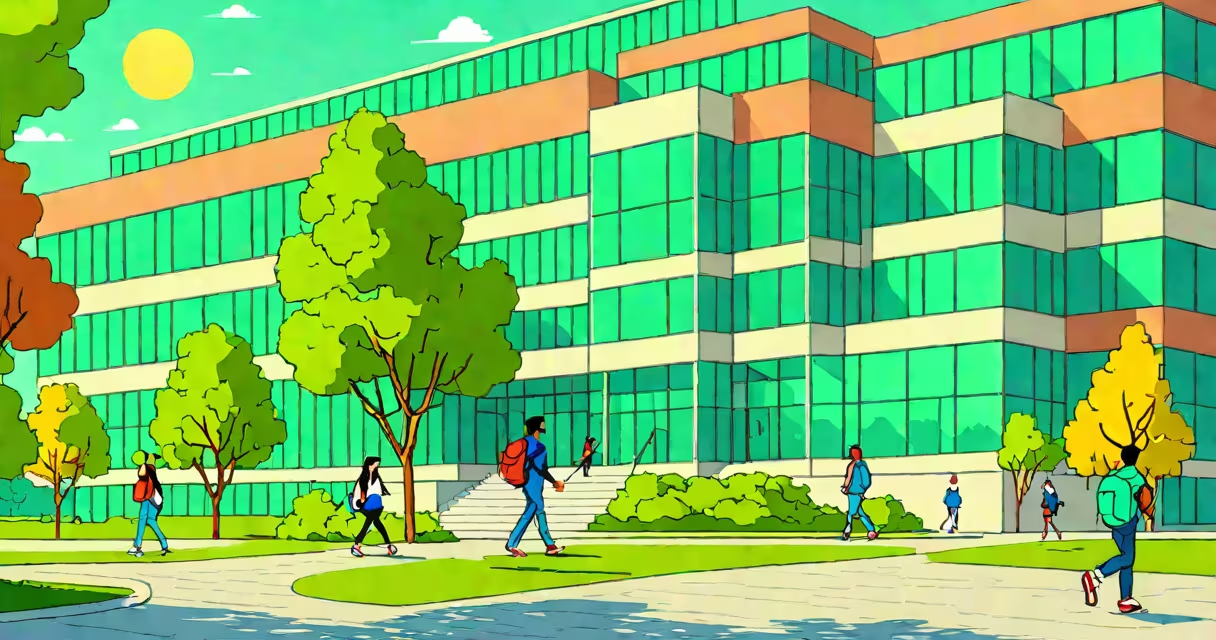
A post secondary school is an educational institution that provides learning and credentials after the completion of secondary school (high school). These institutions offer degrees, diplomas, and certificates in academic, professional, and vocational fields.
Post secondary schools include colleges, universities, community colleges, trade schools, and technical institutes. They serve students seeking advanced knowledge, career-specific skills, or professional qualifications. The term encompasses both four-year degree-granting institutions and shorter-term programs focused on job readiness.
According to the U.S. Department of Education, post secondary education includes any program leading to a recognized credential beyond a high school diploma. This includes associate degrees (two years), bachelor's degrees (four years), graduate degrees (master's and doctorates), and certificate programs in skilled trades.
How Post Secondary Schools Work
These institutions operate through structured curricula, credit systems, and faculty-led instruction. Students enroll in courses that contribute to a degree or certification. Most programs require a minimum number of credits-typically 120 for a bachelor's degree-to graduate.
Admission standards vary. Four-year universities often require standardized test scores (SAT/ACT), high school transcripts, letters of recommendation, and personal essays. Community colleges may accept applicants with a high school diploma or GED, making them more accessible.
Classes are delivered in person, online, or hybrid formats. For example, a student pursuing a bachelor's in psychology might take 15 credits per semester across lectures, labs, and seminars. Progress is tracked via grades, which determine eligibility for graduation, scholarships, and graduate school.
Types of Post Secondary Institutions
The following table outlines major categories of post secondary schools in the United States:
| Type | Program Length | Credential Offered | Example |
|---|---|---|---|
| Community College | 1-2 years | Associate degree, certificate | Los Angeles City College |
| Four-Year College | 4 years | Bachelor's degree | University of Michigan |
| University | 4+ years | Bachelor's, master's, doctoral degrees | Stanford University |
| Trade or Technical School | 6 months - 2 years | Certificate, diploma | Lincoln Tech (automotive repair) |
Some institutions specialize. For example, the Rhode Island School of Design offers only undergraduate and graduate degrees in art and design. Others, like the Massachusetts Institute of Technology (MIT), focus on science, engineering, and technology.
Non-degree programs exist too. A student might attend a six-month coding bootcamp at General Assembly to qualify for entry-level software jobs. These programs are not accredited degree-granting institutions but still count as post secondary education under federal guidelines.
Why Post Secondary Schools Matter
Graduates of post secondary schools earn more over their lifetimes. The U.S. Bureau of Labor Statistics reports median weekly earnings of $1,305 for bachelor's degree holders versus $836 for those with only a high school diploma.
These institutions also improve. Research conducted at universities led to breakthroughs like mRNA vaccines, GPS technology, and the internet. The National Science Foundation notes that 78% of federally funded research in science and engineering occurs at post secondary institutions.
Many employers require post secondary credentials. A 2023 report from the Georgetown University Center on Education and the Workforce found that 65% of jobs in the U.S. economy now require some form of post secondary education.
Common Misconceptions
"All post secondary schools grant degrees." This is false. Trade schools and certificate programs do not award degrees. A student completing a 12-week HVAC certification course earns a certificate, not a degree. Confusing these leads to misaligned expectations about career paths.
"College and university are interchangeable." Not always. A university typically offers multiple levels of study-including undergraduate, graduate, and professional programs-and conducts research. A college may focus solely on undergraduate education. For example, Pomona College is a liberal arts college with no graduate programs, while the University of California, Berkeley, offers PhDs and medical degrees.
Another myth: "Online post secondary schools are less credible." While some unaccredited institutions exist, regionally accredited online programs-like those offered by the University of Florida or Arizona State University-carry the same weight as in-person ones. The U.S. Department of Education maintains a database of accredited institutions to verify legitimacy.
Real-World Example: A Student's Path
Consider Maria, a high school graduate from Texas. She wants to become a registered nurse. Her options include:
- Enrolling in a two-year associate degree program at a community college.
- Starting at a four-year university with a nursing major.
- Attending a specialized technical school with a practical nursing certificate.
Maria chooses the community college route. She completes 60 credits in 24 months, including clinical rotations. After passing the NCLEX-RN exam, she becomes licensed. Her associate degree qualifies her for entry-level positions in hospitals and clinics.
This path exemplifies how post secondary schools provide alternative routes to careers. Not every student needs a four-year degree to succeed.
Firsthand Observation
I once visited a vocational training center in Detroit where students learned to install solar panels. The facility was equipped with real rooftop setups and live electrical systems. Instructors were certified electricians who had taught for over 15 years. One student, Jamal, completed his program in nine months and landed a job with a local energy company. He earned $28/hour, well above the state minimum wage. His success shows that post secondary education isn't limited to traditional classrooms or academic tracks.
Final Thoughts
Understanding what is a post secondary school helps clarify pathways to careers, further education, and economic mobility. These institutions are not monolithic-they vary in structure, purpose, and outcomes. Whether pursuing a bachelor's degree, a trade certification, or a graduate program, students benefit from choosing a school aligned with their goals.