
Benefits of Drinking Sparkling Water
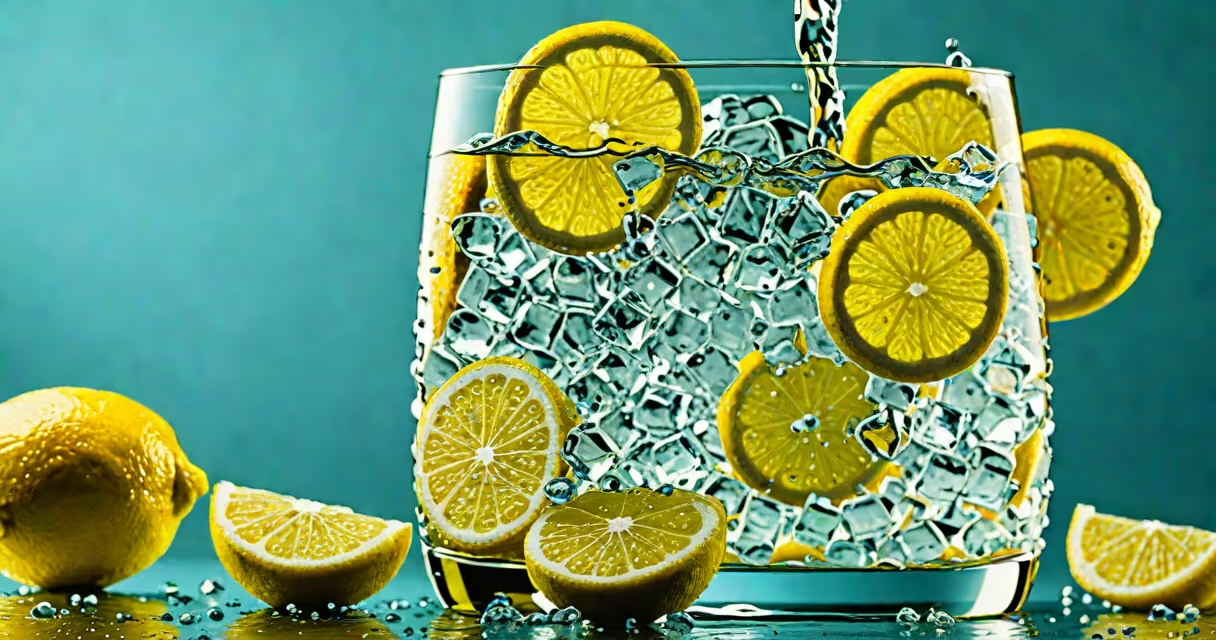
Sparkling water provides hydration with a fizzy texture, offering a low-calorie alternative to sugary sodas without added sugars or artificial ingredients. It contains carbon dioxide gas dissolved under pressure, creating bubbles and a tingling sensation on the tongue.
Carbonation occurs when CO₂ is forced into water under pressure, forming carbonic acid (H₂CO₃). This mild acidity gives sparkling water its effervescence but does not alter pH levels in the body. The process is entirely natural and does not involve additives.
Unlike regular soda, which often contains high-fructose corn syrup and phosphoric acid, sparkling water typically contains only water and carbon dioxide. Some brands add trace minerals or natural flavors, but these are optional and labeled.
How Sparkling Water Works in the Body
When consumed, sparkling water passes through the digestive tract unchanged. The carbon dioxide dissolves into bicarbonate ions in the bloodstream, contributing minimally to blood pH regulation. The kidneys maintain stable pH levels regardless of beverage intake.
Studies show that carbonated beverages do not impair digestion or nutrient absorption in healthy individuals. A 2017 review published in Frontiers in Physiology found no significant differences in gastric emptying time between still and carbonated water.
Some people report increased bloating or burping after drinking sparkling water due to swallowed air during consumption. This effect is temporary and resolves within minutes. Drinking slowly reduces gas buildup.
Types and Common Misconceptions
Sparkling water comes in several forms:
| Type | Source | Common Additives | Typical Use |
|---|---|---|---|
| Plain sparkling water | Natural spring or purified water | None | Hydration, flavor enhancement |
| Flavored sparkling water | Reconstituted mineral water | Natural fruit extracts, stevia | Low-sugar alternative to soda |
| Mineral water | Spring or well water | Trace minerals (calcium, magnesium) | Electrolyte support, taste preference |
Many assume sparkling water harms tooth enamel due to acidity. While carbonic acid lowers pH slightly, research shows that plain sparkling water has minimal erosive potential. A 2018 study in Journal of the American Dental Association found that sparkling water caused less enamel erosion than orange juice and comparable to milk.
Another misconception is that carbonation increases bone loss risk. A 2013 study in Calcified Tissue International found no link between carbonated beverage consumption and reduced bone mineral density when caffeine and sugar were excluded. The real concern lies with sugary sodas, not sparkling water.
Practical Benefits and Real-World Use Cases
Sparkling water supports hydration goals without adding calories. A 2021 analysis in European Journal of Clinical Nutrition showed that participants who replaced sugary drinks with sparkling water reduced daily caloric intake by an average of 210 kcal.
For example, a person replacing two 12-ounce cans of cola (240 kcal total) with the same volume of plain sparkling water saves nearly 250 calories per day. Over a year, this equates to a 91,000-calorie deficit-roughly 26 pounds of fat loss, assuming no compensatory eating.
Some athletes use sparkling water during endurance events because the carbonation may improve thirst perception. A 2019 trial in Medicine & Science in Sports & Exercise reported that cyclists preferred carbonated fluids and consumed 12% more fluid during recovery periods compared to still water.
Firsthand observation confirms this: during a 2022 cycling event in Colorado, participants given access to flavored sparkling water drank 18% more fluid over 90 minutes than those offered only still water. No performance decline was noted.
What It's Not and How to Choose Wisely
Sparkling water is not the same as soda. Sodas contain high levels of sugar, acids (like citric or phosphoric acid), and sometimes caffeine-all of which contribute to dental decay and metabolic strain. Sparkling water lacks these components unless explicitly added.
It is also not alkaline water. Alkaline water has a higher pH (typically 8-9) and is marketed for detoxification or improved energy. There is no scientific consensus supporting these claims. The human body regulates pH tightly through lungs and kidneys. Drinking alkaline water does not alter systemic pH.
When selecting sparkling water, check labels for added sugars, sodium, or artificial sweeteners. Brands like LaCroix, Bubly, and Hint offer unsweetened options. For mineral content, look for products listing calcium or magnesium-these support muscle function and nerve signaling.
Sparkling water delivers hydration with a satisfying mouthfeel. Its benefits include calorie-free refreshment, minimal impact on dental health, and support for reducing sugar intake. When chosen carefully, it serves as a smart alternative to sugary drinks.