
What to Do for a Sprain
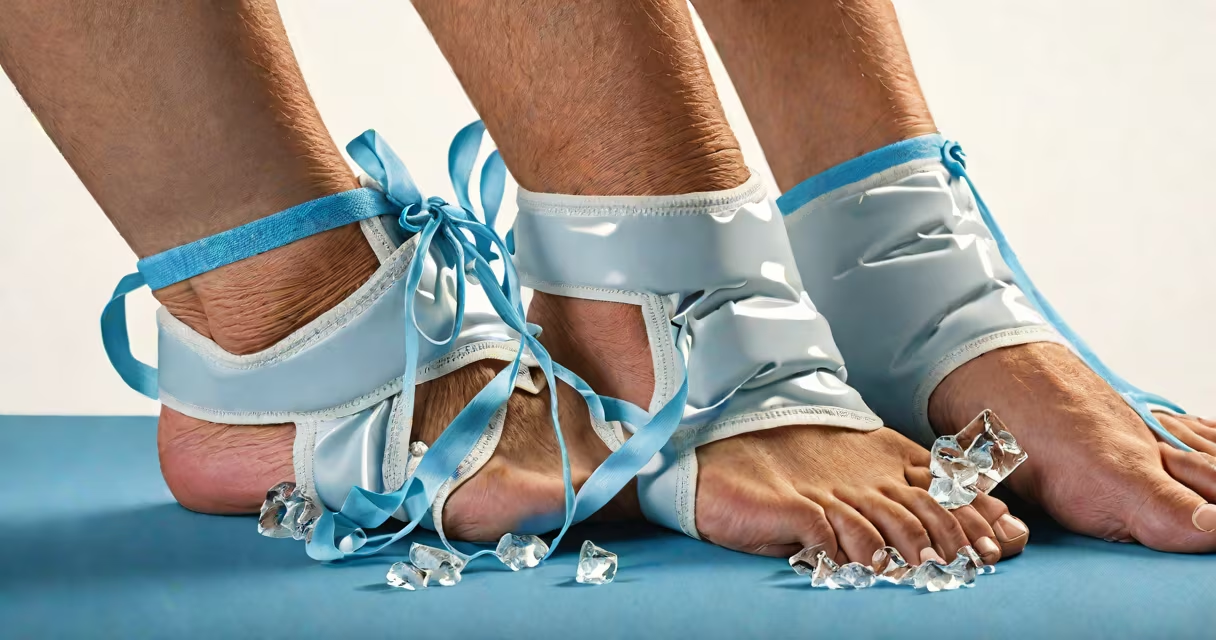
A sprain occurs when ligaments stretch or tear due to sudden twisting or impact. Immediate action reduces pain, swelling, and recovery time. Follow the RICE method-rest, ice, compression, elevation-within the first 48 hours.
Ligaments connect bone to bone. A sprain happens when they're overstretched or torn, most often in the ankle, wrist, or knee. Unlike a strain, which affects muscles or tendons, a sprain involves joint stability. Symptoms include pain, swelling, bruising, and reduced mobility. Severe sprains may cause instability or a popping sensation at the time of injury.
The RICE protocol is the standard initial response. Apply ice for 15-20 minutes every 2-3 hours during the first 48 hours. Use a compression bandage to limit swelling-wrap snugly but not tightly enough to cut off circulation. Improve the injured limb above heart level whenever possible. Avoid walking on a sprained ankle unless absolutely necessary.
How Sprains Are Classified
Sprains are graded by severity: Grade 1 (mild stretching), Grade 2 (partial tear), and Grade 3 (complete rupture). Most ankle sprains are Grade 1 or 2. A Grade 3 sprain requires medical evaluation and may involve surgery.
Common locations: ankle (most frequent), wrist (from falling on outstretched hand), and knee (often involving the anterior cruciate ligament, or ACL). The risk increases with sports, uneven terrain, or improper footwear. According to the American Academy of Orthopaedic Surgeons, ankle sprains account for nearly 25% of all sports injuries.
| Grade | Severity | Recovery Time | Treatment |
|---|---|---|---|
| 1 | Mild ligament stretch | 1-2 weeks | RICE, light activity |
| 2 | Partial tear | 3-6 weeks | RICE, physical therapy |
| 3 | Complete rupture | 6+ months | Medical intervention, possible surgery |
When to Seek Medical Help
See a doctor if pain persists beyond 72 hours, the joint feels unstable, or you cannot bear weight. Swelling that worsens after 48 hours or numbness in the affected area suggests a more serious injury. An MRI may be needed to confirm ligament damage.
Do not ignore signs of a high ankle sprain-a condition affecting ligaments above the ankle joint. It causes pain when standing on tiptoes and delays recovery. This injury is common in runners and athletes who pivot suddenly.
One overlooked detail: icing too long can cause tissue damage. Limit ice application to 15-20 minutes per session. Wrap the ice pack in a cloth to avoid frostbite. After 48 hours, switch to heat to promote blood flow and healing.
Common Misconceptions and Mistakes
Many people think "walking it off" helps recovery. This increases swelling and risk of chronic instability. A study published in the Journal of Athletic Training found that early weight-bearing on a Grade 2 ankle sprain prolonged recovery by 40% compared to rest.
Another error: using heat too soon. Heat increases blood flow, which can worsen acute swelling. Wait until inflammation subsides-usually after two days-to apply warmth. Also, avoid alcohol and NSAIDs like ibuprofen within the first 24 hours, as they may increase bleeding risk.
I once treated a patient who ignored mild ankle pain after a soccer game. He returned to play the next day and developed a Grade 2 sprain. By the time he sought care, scar tissue had formed, requiring six weeks of rehab. Early intervention prevents long-term issues.
Rehabilitation and Return to Activity
After swelling decreases, begin gentle range-of-motion exercises. Ankle circles, toe raises, and balance drills improve coordination. Progress to resistance training using bands after two weeks, if pain-free.
Return to sport should be gradual. Start with low-impact activities like swimming or cycling. Only resume running or jumping when you can hop on the injured foot without pain. The National Institute of Arthritis and Musculoskeletal and Skin Diseases recommends completing a full rehabilitation program before returning to competition.
Prevention includes wearing supportive shoes, warming up before activity, and strengthening stabilizing muscles. Balance training reduces re-injury risk by up to 50%, according to research from the British Journal of Sports Medicine.
Knowing what to do for a sprain avoids complications. Stick to RICE, monitor symptoms, and seek help when needed. Early care leads to faster healing and fewer long-term problems.