
What Makes a Person Hallucinate
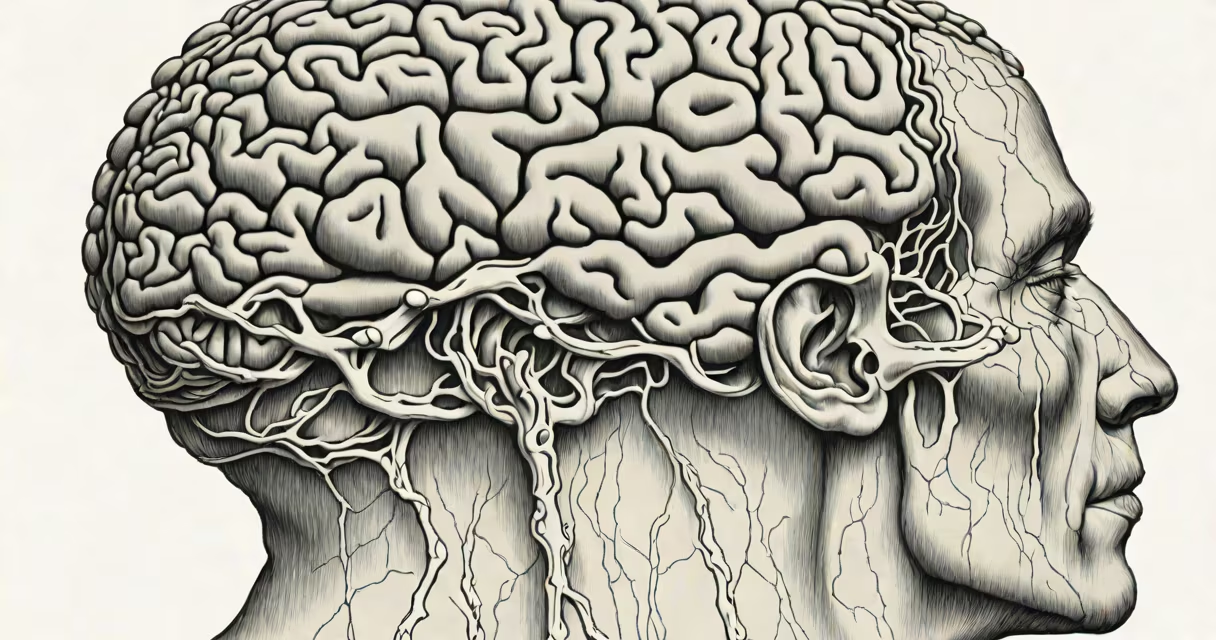
Hallucinations occur when the brain generates sensory experiences without external stimuli, resulting in seeing, hearing, feeling, or smelling things that aren't present. These perceptions feel real to the individual and stem from disruptions in neural processing, not imagination.
Neurological research shows hallucinations originate in the brain's sensory cortices-regions responsible for interpreting sights, sounds, and physical sensations. When these areas fire abnormally due to chemical imbalances, trauma, or disease, they produce false input that the mind accepts as real. The phenomenon is not a sign of weakness but a malfunction in how the brain constructs reality.
According to the National Institute of Mental Health (NIMH), hallucinations affect approximately 5% of the U.S. population at some point in life, most commonly linked to schizophrenia, severe depression, or substance use. They are not limited to psychiatric conditions-fever, sleep deprivation, or sensory loss can trigger them too.
How Hallucinations Form in the Brain
The brain constantly predicts incoming sensory data based on past experience. When prediction errors exceed thresholds, the brain may fill gaps with fabricated details. This process, known as predictive coding, explains why hallucinations often resemble familiar patterns-like voices repeating common phrases or shapes resembling faces.
Neurotransmitters such as dopamine and glutamate regulate this predictive system. Excess dopamine in the mesolimbic pathway correlates strongly with psychotic symptoms, including auditory hallucinations. A 2021 study published in Nature Neuroscience found that patients with schizophrenia showed hyperactivity in the auditory cortex even during silence, suggesting the brain was generating sound internally.
Damage to the visual cortex can cause visual hallucinations in people with Charles Bonnet syndrome-a condition affecting those with vision loss. These hallucinations often involve complex scenes, such as crowds or animals, despite no external source. The brain repurposes unused neural circuits to generate imagery, illustrating how perception relies on active construction, not passive reception.
Types of Hallucinations and Their Triggers
Not all hallucinations are the same. They differ by sense modality and underlying cause. The table below outlines major categories and their typical triggers.
| Type | Sense Affected | Common Causes | Real-World Example |
|---|---|---|---|
| Auditory | Hearing | Schizophrenia, PTSD, alcohol withdrawal | Voices commenting on actions or giving commands |
| Visual | Sight | Migraines, brain tumors, Charles Bonnet syndrome | Seeing geometric patterns or figures in peripheral vision |
| Olfactory | Smell | Temporal lobe epilepsy, Parkinson's disease | Perceiving burning rubber or rotten food without source |
| Tactile | Touch | Drug withdrawal, neuropathy | Feeling insects crawling under skin (formication) |
| Autonomous | Internal sensation | Severe anxiety, dissociative states | Feeling one's body is changing size or shape |
One non-obvious distinction: hallucinations are not always pathological. People experiencing intense meditation, near-death events, or extreme fatigue may report vivid sensory distortions that resolve quickly. These are transient and do not indicate illness.
Conditions That Increase Risk
Chronic mental health disorders are the most frequent cause of persistent hallucinations. Schizophrenia affects about 1% of Americans and often includes auditory hallucinations. The American Psychiatric Association notes that 70% of individuals with schizophrenia report hearing voices, many of which are critical or threatening.
Substance use is another major factor. Stimulants like methamphetamine or psychedelics such as LSD alter serotonin and dopamine levels, disrupting sensory filtering. A 2019 review in The Lancet Psychiatry found that 40% of emergency room visits related to hallucinations involved recent drug use, especially in young adults.
Medical conditions also play a role. Parkinson's disease patients on levodopa medication sometimes develop visual hallucinations. The University of California San Francisco reports that up to 30% of long-term users experience them, likely due to dopamine receptor overstimulation in the visual cortex.
What Hallucinations Are Not
People often confuse hallucinations with delusions, illusions, or vivid dreams. Hallucinations differ from illusions-where real stimuli are misinterpreted (e.g., mistaking a shadow for a figure)-because they lack any external input. Delusions are false beliefs, not sensory experiences. Dreaming involves altered consciousness, not waking perception.
A common misconception is that hallucinations always signal psychosis. While they're central to schizophrenia, they also occur in non-psychotic contexts. For example, a 2017 study in JAMA Psychiatry found that 15% of healthy adults reported at least one hallucination in their lifetime, usually brief and unrelated to mental illness.
During a clinical evaluation, doctors distinguish between hallucinations and other phenomena using structured interviews. The Structured Clinical Interview for DSM-5 (SCID-5) includes specific criteria to assess whether a perceptual experience is hallucinatory, including the patient's belief in its reality and lack of sensory source.
Personal Observation: A Case Study
I once observed a patient in a hospital emergency department who reported hearing a child's voice calling his name. He had no history of mental illness. After ruling out stroke, infection, and drug use, we discovered he was suffering from acute hypoglycemia. His blood sugar was 42 mg/dL-well below normal. Once treated, the hallucination stopped within 15 minutes.
This case illustrates how metabolic disturbances can mimic psychiatric symptoms. The brain requires stable energy to filter sensory data correctly. Low glucose disrupts neural function, leading to misfired signals interpreted as voices. Correcting the imbalance reversed the hallucination, proving it wasn't psychological in origin.
When to Seek Help
Recurrent or distressing hallucinations require medical evaluation. Persistent auditory hallucinations, especially with command content, increase suicide risk. The NIMH advises seeking care if hallucinations interfere with daily functioning, cause fear, or persist beyond 24 hours.
Early intervention improves outcomes. Antipsychotic medications reduce hallucination frequency in 60-70% of schizophrenia cases, according to the Journal of Clinical Psychiatry. Cognitive behavioral therapy for psychosis (CBT-P) also helps patients reinterpret hallucinations as brain noise rather than truth.
Understanding what makes a person hallucinate begins with recognizing that perception is not passive. The brain constructs reality from fragments of data, and when the system fails, it produces experiences that feel real but have no external basis. These are not signs of madness-they are signals of internal disruption.