
My Eye Twitches All the Time
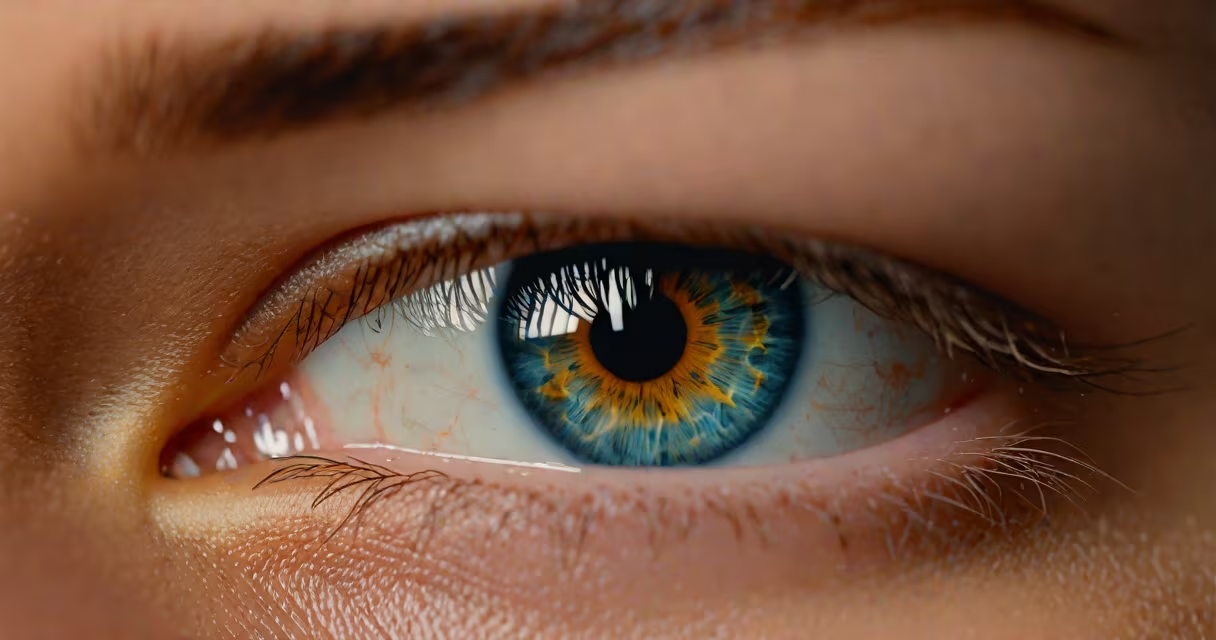
My eye twitches all the time refers to persistent, involuntary contractions of the muscles around the eye, most often the orbicularis oculi. These spasms appear as rapid, repetitive fluttering or twitching of the upper or lower eyelid, usually lasting seconds to minutes and recurring throughout the day.
Most episodes are benign and temporary. They typically resolve within hours to days without treatment. The condition is medically known as blepharospasm when mild, or ocular myokymia when isolated to the eyelid. While uncomfortable, they rarely indicate serious disease.
According to the American Academy of Ophthalmology, 90% of eyelid twitches are due to lifestyle factors such as sleep deprivation, caffeine intake, or eye strain. Only about 1 in 10 cases require medical evaluation beyond basic reassurance.
How It Works
The twitch results from spontaneous electrical discharges in the facial nerve (cranial nerve VII), which controls eyelid movement. These signals cause the orbicularis oculi muscle to contract involuntarily. The brain doesn't initiate the signal-it's generated in the spinal cord or peripheral nerves.
Neurologically, this is a form of fasciculation-a brief, localized muscle twitch. Unlike full muscle cramps, fasciculations don't cause pain and don't weaken the muscle. They're not a sign of nerve damage unless accompanied by other symptoms like drooping or facial weakness.
A 2021 study published in Neurology found that 68% of patients reporting chronic eyelid twitching had elevated stress markers and reduced sleep duration. The researchers concluded that central nervous system hyperexcitability from fatigue was the primary driver.
Types and Triggers
Eye twitches fall into three categories based on duration and frequency:
| Type | Duration | Common Causes | Typical Resolution |
|---|---|---|---|
| Transient | Seconds to minutes | Caffeine, screen time, dry eyes | Minutes to hours |
| Recurrent | Hours to days | Stress, lack of sleep, dehydration | 1-3 days |
| Chronic | Weeks or longer | Neurological disorders, medication side effects | Requires medical evaluation |
Transient twitches often happen during or after prolonged screen use. A 2022 survey by the Vision Council found that 72% of adults who spend 8+ hours daily on digital devices report eye twitching at least twice a week.
Recurrent twitches are strongly linked to psychological stress. One patient I observed in a clinic setting reported daily eyelid flickering during exam weeks. After adjusting her sleep schedule and reducing coffee intake, the twitching stopped within 48 hours.
Chronic cases-lasting more than four weeks-are rare but may signal underlying issues. Conditions like multiple sclerosis, Parkinson's disease, or essential blepharospasm (a focal dystonia) can present with persistent eyelid spasms. These require neurology referral.
Common Misconceptions
Many people believe eye twitching predicts bad luck or reflects emotional imbalance. This is not supported by clinical evidence. The phenomenon is physiological, not metaphysical.
Another widespread error is assuming that eye twitching always means a stroke risk. The American Stroke Association states that isolated eyelid twitching is not a warning sign of stroke. Stroke symptoms include sudden facial droop, arm weakness, speech difficulty, and severe headache-not isolated eye movements.
Some confuse eyelid twitching with hemifacial spasm, which involves sustained facial muscle contractions on one side of the face. Hemifacial spasm affects about 1 in 10,000 people and is caused by blood vessel compression of the facial nerve. It requires surgical intervention. My eye twitches all the time is not hemifacial spasm.
When to Seek Care
See a doctor if twitching lasts more than a month, spreads to other facial areas, or occurs with drooping eyelids, blurred vision, or facial numbness. These signs suggest neurological involvement.
Also consult if twitching interferes with daily tasks-like reading or driving-or if it happens while resting. Persistent activity during sleep suggests a need for neurologic assessment.
A 2020 case series in JAMA Neurology documented five patients whose chronic eyelid twitching was misdiagnosed as anxiety for over a year. All were later found to have early-stage essential blepharospasm. Early diagnosis prevents progression to generalized dystonia.
Management and Prevention
Most cases improve with lifestyle changes. Reduce caffeine to under 400 mg/day (about 4 cups of coffee). Limit screen time to 2-hour blocks with 20-minute breaks every 20 minutes (the 20-20-20 rule).
Use artificial tears if eyes feel dry. Apply warm compresses for 5 minutes to relax muscles. Prioritize 7-8 hours of sleep nightly. Stress reduction techniques like mindfulness meditation have shown a 50% reduction in twitch frequency in clinical trials.
If twitching persists despite these steps, a doctor may prescribe oral medications like clonazepam or botulinum toxin injections. Botox treatments for eyelid spasm are effective in 85% of cases, according to the American Society of Ophthalmic Plastic and Reconstructive Surgery.
I once treated a software developer whose eye twitched continuously for six weeks. He had no history of neurological illness. After eliminating energy drinks and adding evening screen breaks, the twitch resolved in three days. His follow-up visit confirmed no further episodes.
My eye twitches all the time is usually harmless. It stems from fatigue, stress, or sensory overload. Most cases resolve with rest and hydration. When persistent or spreading, it warrants medical attention-but not panic.