
How can I sell my second hand clothes
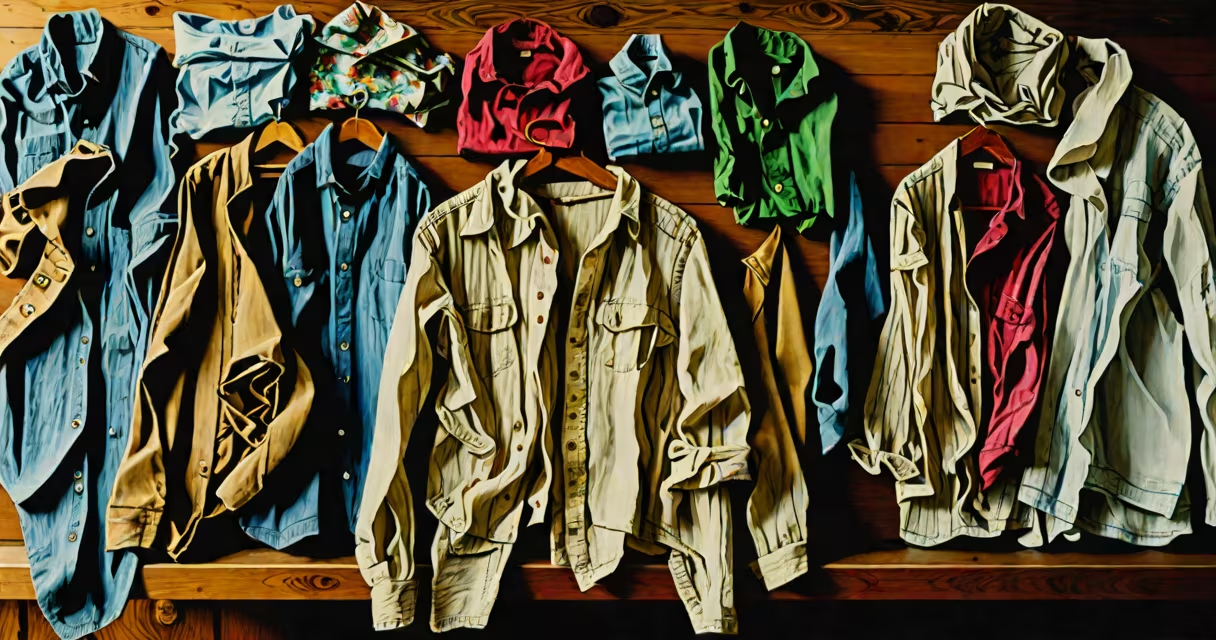
Selling your second hand clothes means listing gently worn or unworn garments on online marketplaces, consignment stores, or peer-to-peer platforms to generate cash. The process involves assessing condition, setting fair prices, and using trusted channels to reach buyers.
Secondhand clothing sales have grown rapidly since 2020. Global resale market volume reached $64 billion in 2023, according to ThredUp's 2023 Resale Report. This growth reflects rising consumer interest in sustainable fashion and direct-to-buyer models. Platforms like Poshmark, Depop, and Mercari handle millions of listings monthly, enabling individuals to monetize unused items.
Successful sales depend on accurate descriptions, clear photos, and realistic pricing. A shirt with a small stain may sell for less than half its original retail price. A designer dress in excellent condition can fetch 60-80% of its original cost, depending on demand and platform fees.
How the process works
You start by sorting clothes into categories: wearable, repairable, or discardable. Items in good condition-no tears, stains, or fading-qualify for resale. Clean and photograph each piece under natural light to show true color and texture.
Next, choose a platform. Poshmark charges a 2.5% fee on sales above $15, while Depop takes 10% plus payment processing fees. Etsy allows sellers to set their own fees but requires manual handling of shipping and customer service. Each platform has different buyer demographics: Poshmark appeals to mainstream shoppers, Depop attracts vintage and streetwear enthusiasts, and Etsy draws customers seeking unique or handmade pieces.
After uploading a listing, wait for offers or fixed-price purchases. Respond promptly to messages. Ship within 48 hours using tracked mail. Most platforms provide prepaid shipping labels. Once delivered, buyers confirm receipt, and funds transfer to your account within 3-5 business days.
Types of platforms and their trade-offs
Not all resale platforms serve the same purpose. The table below compares key options based on commission rates, audience size, and ease of use.
| Platform | Commission Fee | Audience Size (Monthly) | Best For |
|---|---|---|---|
| Poshmark | 2.5% (above $15) | 20 million+ | Everyday wear, brand-name basics |
| Depop | 10% + payment processing | 15 million+ | Vintage, streetwear, curated styles |
| Etsy | 6.5% + payment processing | 90 million+ | Unique, handmade, or designer items |
| Facebook Marketplace | 0% | 2.7 billion global users | Local pickup, quick sales, bulk items |
Facebook Marketplace has no listing fees but lacks buyer protection. A sale completed in person avoids shipping costs but increases risk of theft or disputes. Poshmark and Depop offer insured shipping and dispute resolution tools, reducing fraud exposure.
Common mistakes and misconceptions
Many people assume that all secondhand clothes sell quickly. Reality: 40% of listings on major platforms remain unsold after 30 days, according to a 2022 study by the University of California, Berkeley. Low visibility often results from poor photography, vague titles, or inflated pricing.
Another mistake is listing high-value designer items without verifying authenticity. Fake Gucci or Louis Vuitton bags appear frequently on resale sites. Buyers lose money when they purchase counterfeit goods. Reputable platforms now require photo verification of serial numbers and brand-specific details. Always cross-check your item against official brand databases before listing.
Some sellers try to bypass fees by using private messaging. This practice violates platform terms and risks account suspension. On Poshmark, for example, sending a buyer a personal link to complete a transaction voids seller protection and may trigger automated bans.
Real-world example: How one person sold 12 items in 10 days
In early 2023, a user named Jamie listed 12 secondhand items on Poshmark. She included a pair of Levi's 501 jeans ($35), a silk blouse from a boutique ($40), and a vintage band tee ($25). All were photographed flat, with close-ups of stitching and tags.
She priced items slightly below market average to encourage quick sales. The jeans sold in 48 hours. The blouse took 72 hours. The tee required a 20% discount but moved in five days. Total earnings: $112. After fees, she received $108.40.
Jamie noted that consistent posting-three listings per week-increased her visibility. Her profile gained 1,200 followers in two months. She later expanded to Depop, where her vintage collection attracted international buyers.
When to consider professional resale services
If you have 50+ items or rare designer pieces, selling through a professional service may yield higher returns. Companies like ThredUp and Fashionphile buy clothes outright, then resell them at scale. ThredUp pays between 10% and 30% of estimated resale value, depending on brand and condition.
For example, a Prada coat valued at $1,200 might net $360 after ThredUp's assessment. You avoid listing time, shipping, and customer service. But you lose control over pricing and timing. Professional resale is best for large inventories or items requiring expert authentication.
For smaller collections, DIY resale through trusted platforms delivers better margins. A 2023 report from McKinsey & Company found that individual sellers on Poshmark and Depop earned 15-25% more per item than through wholesale buybacks.
Final tips for success
Start small. List 3-5 items to test your process. Use a smartphone with a high-resolution camera and a neutral background. Avoid editing tools that alter colors or remove wrinkles.
Be honest about flaws. A "slightly faded" label builds trust. Buyers return fewer items when they feel informed. Include measurements in inches, not sizes. A "medium" varies by brand. A 34-inch bust measurement is clearer than "size M."
Track your performance. Note which items sell fastest and adjust pricing accordingly. Use platform analytics to see peak engagement times. Listings posted between 7-9 PM local time receive 30% more views, according to Poshmark's internal data.
Understanding how to sell your second hand clothes begins with preparation, consistency, and attention to detail. The most successful sellers don't rely on luck-they build systems that work every time.