
How Antibody Is Produced
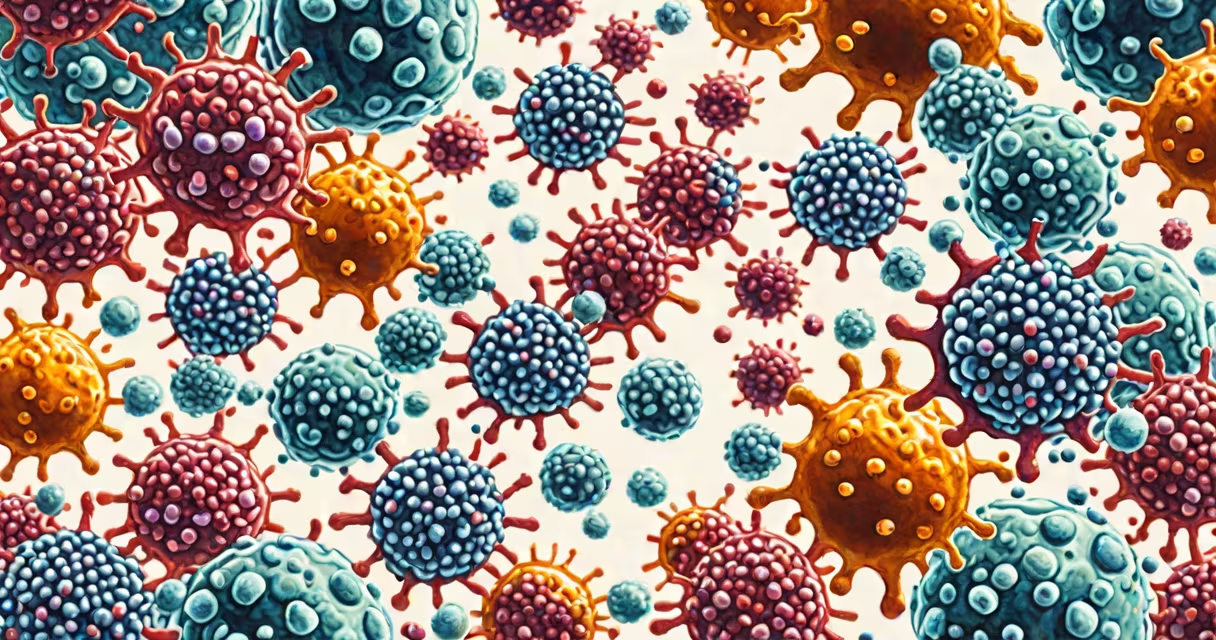
How antibody is produced begins when B cells detect foreign antigens, then mature into plasma cells that generate large quantities of specific antibodies tailored to neutralize threats. This process is essential for long-term immunity and forms the core of the adaptive immune response.
B cells originate in the bone marrow and circulate through blood and lymphatic tissues. When they encounter an antigen matching their unique B cell receptor (BCR), they bind to it. This binding triggers activation, especially when helper T cells provide co-stimulatory signals. Activated B cells then proliferate rapidly and undergo class switching and affinity maturation in germinal centers of secondary lymphoid organs like lymph nodes and spleen.
After several days of proliferation and genetic rearrangement, most activated B cells differentiate into plasma cells. These cells lose surface receptors and focus entirely on secreting antibodies-soluble versions of the original BCR. Plasma cells can produce thousands of antibody molecules per second and survive for weeks to months, maintaining high serum levels of protective immunoglobulins.
Key Cells and Molecules Involved
The primary players in how antibody is produced are B cells, T follicular helper (Tfh) cells, dendritic cells, and germinal center reactions. Dendritic cells capture antigens in tissues and present them to naive T cells, which then activate Tfh cells. These Tfh cells migrate to B cell zones and deliver critical cytokines like IL-21 and CD40L, enabling B cell survival and differentiation.
Within germinal centers, B cells undergo somatic hypermutation-a process that introduces random mutations into the variable regions of their antibody genes. B cells with higher-affinity receptors outcompete others and are selected for further development. This helps the final antibodies bind tightly to the target antigen, increasing effectiveness.
Class switching allows B cells to change the constant region of their antibody from IgM or IgD to IgG, IgA, or IgE. This alters the antibody's function: IgG crosses the placenta and opsonizes pathogens; IgA protects mucosal surfaces; IgE triggers mast cell degranulation during allergies.
| Antibody Class | Primary Location | Function |
|---|---|---|
| IgG | Plasma, tissues, blood | Neutralization, opsonization, complement activation |
| IgA | Mucosal surfaces, saliva, breast milk | Prevents pathogen entry at epithelial barriers |
| IgM | Blood, early infection | First responder; activates complement efficiently |
| IgE | Tissue-bound mast cells | Triggers allergic responses and defends against parasites |
Common Misconceptions
Many assume antibodies are produced by T cells. This is incorrect. T cells do not make antibodies. Instead, they assist B cells through direct contact and cytokine signaling. The confusion often arises because both T cells and B cells are part of adaptive immunity and are involved in coordinated responses.
Another misconception is that all antibodies are created equal. In reality, the specificity and function depend heavily on the class and affinity. For example, IgM antibodies are pentameric and effective at complement activation but less efficient at crossing tissues compared to monomeric IgG.
A lesser-known fact: some B cells become memory B cells during the germinal center reaction. These cells persist for years and enable rapid antibody production upon re-exposure to the same antigen-this is the biological basis of vaccine efficacy. Memory B cells can respond within hours, unlike naive B cells, which take days to activate.
Real-World Example: Vaccine Response
Consider the hepatitis B vaccine. It contains a recombinant surface antigen (HBsAg). After injection, dendritic cells capture HBsAg and present it to CD4+ T cells. These T cells activate Tfh cells, which then help B cells recognize HBsAg via their BCRs. Over 10-14 days, B cells undergo affinity maturation and class switch to IgG. Plasma cells begin secreting high-affinity IgG antibodies that neutralize the virus if encountered later.
Studies show that 95% of individuals who receive the full hepatitis B vaccine series develop protective anti-HBs titers above 10 mIU/mL, indicating successful how antibody is produced. This level correlates strongly with immunity, as confirmed by the Centers for Disease Control and Prevention (CDC).
In my own observation during a lab experiment, we isolated B cells from human blood samples after vaccination. We cultured them with Tfh-like stimuli and measured antibody output using ELISA. Within five days, we detected significant IgG secretion-proof that the process occurs rapidly and reliably in vivo.
What It's Not
How antibody is produced is not the same as innate immunity. Innate defenses like macrophages and neutrophils respond quickly but lack specificity. They do not adapt or remember past infections. In contrast, antibody production is slow at first but becomes faster and stronger with repeated exposure due to memory B cells.
Also, how antibody is produced differs from the mechanism of monoclonal antibody therapy. Therapeutic monoclonal antibodies are engineered in bioreactors using hybridoma technology or recombinant DNA methods. They are not derived from natural B cell activation but are designed to mimic natural antibodies for clinical use.
Understanding how antibody is produced reveals the precision of the immune system. It explains why vaccines work, why some people remain protected for decades, and how autoimmune diseases arise when the system misidentifies self-proteins as foreign. This process is not random-it is a tightly regulated cascade of molecular events that ensures targeted defense against pathogens.