
What Is a Groin Injury
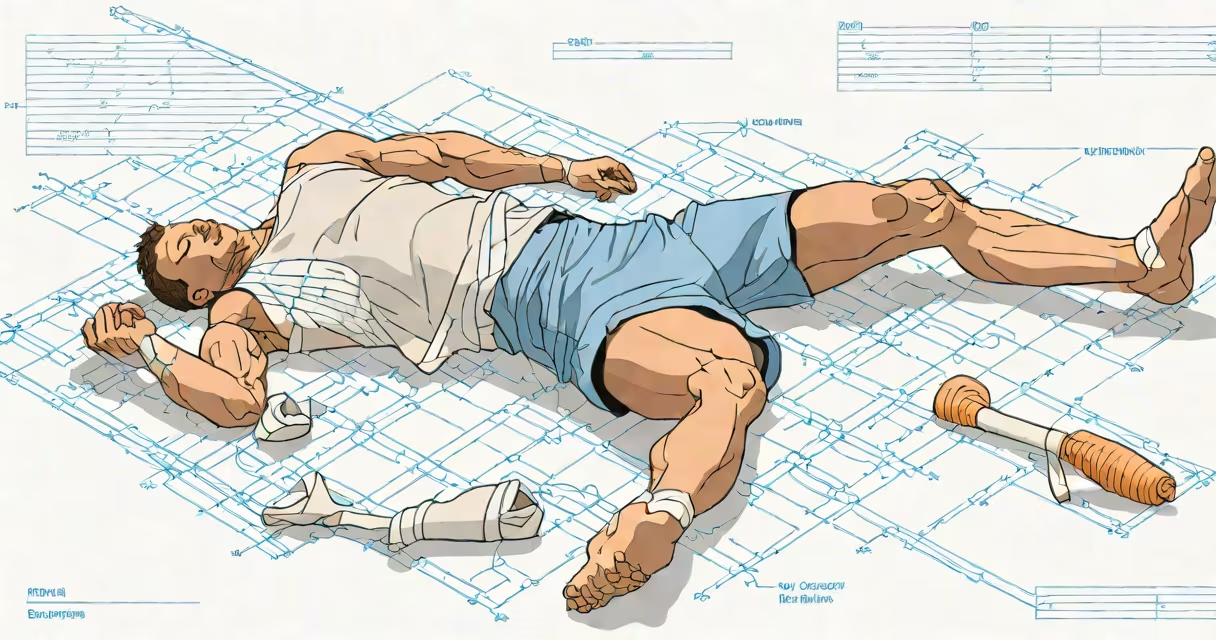
A groin injury refers to a strain or tear in the adductor muscles located on the inner side of the thigh, typically caused by sudden twisting, sprinting, or kicking motions during sports. These injuries commonly affect athletes in football, soccer, hockey, and track events.
The adductor muscle group includes five primary muscles-adductor longus, adductor brevis, adductor magnus, gracilis, and pectineus-that work together to pull the legs inward toward the body's midline. When overstretched or overloaded, they can develop micro-tears or complete ruptures, leading to pain and reduced mobility.
According to the American Academy of Orthopaedic Surgeons (AAOS), groin strains account for up to 15% of all sports-related injuries in competitive athletes. The most common mechanism is rapid lateral movement, such as changing direction while running or making a quick cut during a game.
How Groin Injuries Develop
Most groin injuries result from eccentric loading-the muscle contracts while lengthening-during high-speed movements. For example, a soccer player accelerating from a standing position may place excessive stress on the adductor longus, which can lead to a grade 1 strain (mild tear).
Repetitive stress without adequate rest increases risk. A study published in the British Journal of Sports Medicine found that players who trained more than 12 hours per week had a 3.2 times higher incidence of groin injuries compared to those training under eight hours.
Overuse is not limited to elite athletes. Recreational runners and weekend warriors also experience groin pain due to poor warm-up routines or imbalanced strength between hip flexors and adductors. Ignoring early symptoms often leads to chronic issues requiring extended rehabilitation.
Types and Grading of Groin Injuries
Medical professionals classify groin injuries based on severity using a three-grade system:
| Grade | Description | Symptoms | Recovery Time |
|---|---|---|---|
| 1 | Mild strain with minor tearing | Pain during activity, slight swelling | 1-2 weeks |
| 2 | Partial tear with moderate pain and weakness | Difficulty walking, bruising, inability to run | 3-6 weeks |
| 3 | Complete rupture of muscle tissue | Severe pain, visible deformity, loss of function | 6-12 weeks or longer |
Grade 3 injuries require medical evaluation and sometimes imaging like MRI to confirm the extent of damage. Without proper diagnosis, patients may misattribute pain to other causes such as hip joint problems or hernias.
One non-obvious distinction: groin pain is not always muscular. A condition called osteitis pubis-a stress reaction at the pubic bone-can mimic a groin strain. This occurs in athletes who perform repetitive kicking or twisting motions, especially in sports like rugby or ballet. Misdiagnosis delays effective treatment.
Common Mistakes and Confusions
Many people assume groin pain means a pulled muscle and treat it with ice and rest. While initial care is correct, returning to sport too soon leads to re-injury. Research shows that 40% of athletes who resume activity within four weeks of a grade 1 strain experience recurrence.
Another frequent error is confusing groin injuries with hip flexor strains. The hip flexors (iliopsoas, rectus femoris) control leg lifting and are located on the front of the hip. Pain from these muscles often feels deeper and radiates upward toward the lower abdomen. A physical exam can differentiate between them.
I once treated a college soccer player whose pain worsened when he tried to cross his legs. Initial assessment suggested a groin strain. But after ultrasound imaging revealed fluid accumulation near the adductor longus tendon, we diagnosed a tendinopathy rather than a muscle tear. This required targeted rehab focused on load management-not just rest.
When to Seek Medical Help
Consult a healthcare provider if pain persists beyond 7 days despite rest, ice, compression, and elevation (RICE). Red flags include swelling, bruising spreading below the knee, or inability to bear weight on the affected leg.
Imaging is recommended for suspected grade 2 or 3 injuries. MRI scans detect soft tissue damage with 95% accuracy, according to AAOS guidelines. Ultrasound is also useful for changing assessment-observing muscle movement in real time.
Rehabilitation begins with controlled range-of-motion exercises and progresses to strengthening and sport-specific drills. A structured program reduces recurrence rates by 60%, per a 2021 review in the Journal of Athletic Training.
Prevention and Recovery
Preventing groin injuries involves consistent strength training, particularly for the adductors and core stabilizers. Exercises like side lunges, clamshells, and resistance band adduction work effectively.
Changing warm-ups lasting 10 minutes before activity reduce injury risk by 38%, according to a 2019 meta-analysis in Sports Medicine. Include leg swings, high knees, and skipping drills to prepare muscles for explosive motion.
Recovery timelines depend on injury grade. A grade 1 strain may allow return to light activity after 7-10 days, while a grade 3 injury may require surgery and six months of rehab. Athletes should follow a phased return-to-play protocol under supervision.
Understanding what is a groin injury means recognizing it as a spectrum-from minor strain to major structural failure. Early intervention prevents long-term disability and maintains performance levels in both amateur and professional settings.