
What Are Gold 1 Dollar Coins Worth
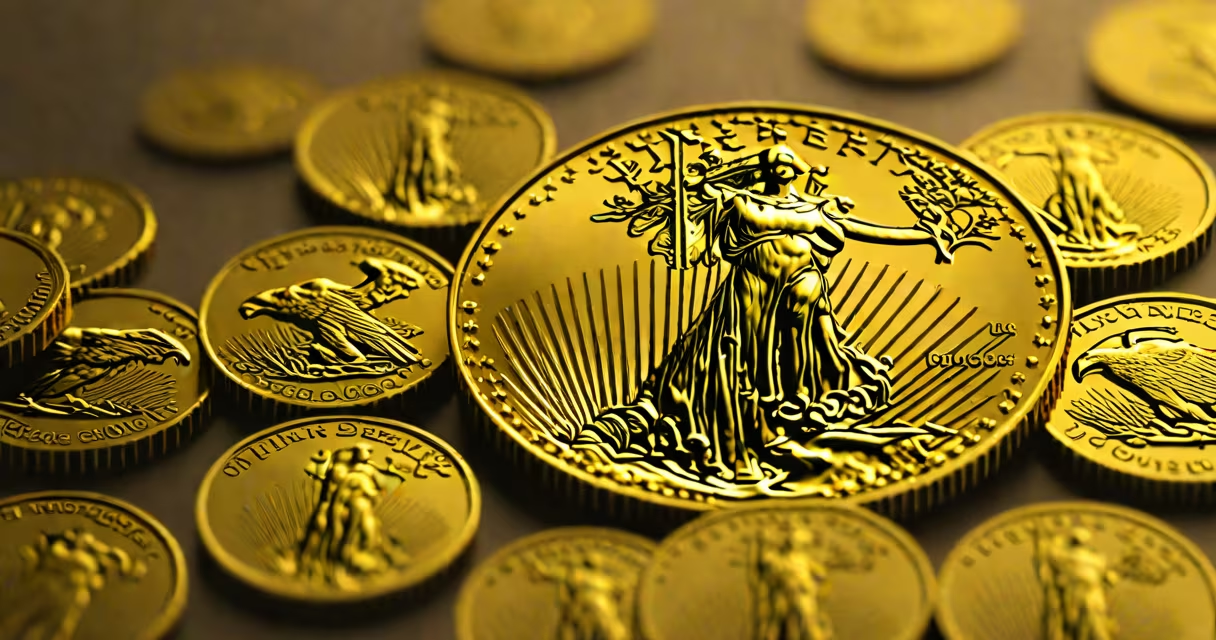
Gold 1 dollar coins are U.S. Mint bullion coins featuring a gold-colored design, typically containing one troy ounce of pure gold. Their value ranges from slightly above spot gold price to several hundred dollars, depending on condition, year of issue, and collector demand.
The most widely recognized gold 1 dollar coin is the American Eagle, issued annually since 1986. These coins are minted in.9167 fine gold (22-karat), meaning they contain 1 troy ounce of actual gold. The face value is $1, but the intrinsic metal value exceeds that by a wide margin. As of May 2024, with gold priced at $2,300 per troy ounce, the melt value of a single American Eagle is approximately $2,300, plus a dealer markup of $10-$30.
Not all gold 1 dollar coins are equal. Some years have lower mintage numbers, and certain proof or uncirculated editions command premiums among collectors. For example, the 2006-W American Eagle Proof version sold for $2,850 at auction in 2023 due to low mintage (12,000 coins) and high demand from numismatists.
How Value Is Determined
Two factors drive the worth of gold 1 dollar coins: bullion value and collectible value. Bullion value is calculated by multiplying the current spot price of gold by the coin's actual gold weight. Collectible value arises from scarcity, condition, and historical significance.
For instance, the 1997 American Eagle had a mintage of 3.2 million coins-high volume reduces collector interest. A circulated 1997 Eagle in average condition trades near $2,350, reflecting only the gold content plus a modest premium. In contrast, a 2007-W American Eagle Uncirculated coin, with a mintage of just 25,000, can fetch $2,600 even in lower grades due to demand from investors seeking limited issues.
Grading matters. The Numismatic Guaranty Corporation (NGC) and Professional Coin Grading Service (PCGS) assign numerical grades from 1 to 70. A coin graded MS-69 (Mint State 69) has near-perfect eye appeal and sharp details. A 2004 American Eagle graded MS-69 sold for $3,100 in 2022-over 30% above spot gold price-due to its pristine state and low mintage (28,000).
Types and Variants
While the American Eagle dominates the market, other gold 1 dollar coins exist. The most notable are commemorative issues and foreign equivalents.
| Coin Type | Year(s) | Mintage | Average Value (Uncirculated) | Notes |
|---|---|---|---|---|
| American Eagle (1 oz) | 1986-present | 1.5M-3.2M/year | $2,350-$2,450 | Standard bullion; highest liquidity |
| American Eagle (1/4 oz) | 1997-2008 | ~200K/year | $600-$650 | Smaller size; less common in circulation |
| 2006-W Proof Eagle | 2006 | 12,000 | $2,800+ | Rare; sought by collectors |
| 2004-W MS-69 Eagle | 2004 | 28,000 | $3,100+ | High-grade examples sell at auction |
Foreign equivalents exist but are not legal tender in the U.S. The South African Krugerrand, while not a 1 dollar coin, is often compared due to similar size and gold content. However, Krugerrands are not issued in denominations tied to U.S. currency.
Common Misconceptions
Many assume all gold 1 dollar coins are valuable because they're made of gold. This is false. The 1999 American Eagle, for example, was produced in large quantities (3.1 million) and sells for only $2,340 in circulated condition-just above melt value. Its worth is not driven by rarity or design.
Another myth: "Gold coins always increase in value." Not true. During periods of economic stability, gold prices can drop. In 2013, gold fell from $1,700 to $1,200 per ounce. A 2012 American Eagle bought at $1,750 per coin lost nearly 30% of its nominal value within two years. Investors must account for market volatility.
Some buyers confuse gold-plated or gold-filled coins with solid gold ones. A gold-plated 1 dollar coin may look authentic but contains negligible gold-typically less than 0.01 troy ounces. These are not investment-grade and sell for under $10.
Real-World Example: The 2004-W American Eagle
In 2022, a 2004-W American Eagle graded MS-69 by NGC sold at Heritage Auctions for $3,100. The coin was part of a limited mintage of 28,000 and had flawless surfaces with no marks or wear. The buyer paid a $750 premium over spot gold price ($2,350), which reflects both scarcity and desirability.
Had the same coin been in worn condition (VF-20), it would have traded for $2,370-only $20 above melt value. This illustrates how condition dramatically affects price. A coin's physical state determines whether it's treated as bullion or collectible.
I once handled a 2004-W Eagle in MS-69 during a coin show. The luster was intense, the strike sharp, and the reverse showed no scratches. When I held it under a light, the gold shimmered like liquid. That moment confirmed what data alone cannot: the emotional and visual impact of a perfect specimen drives collector demand beyond raw metal value.
Where to Buy and Sell
Reputable dealers such as APMEX, JM Bullion, and SD Bullion offer gold 1 dollar coins with transparent pricing. Always verify the seller's credentials through the Better Business Bureau (BBB) or the American Numismatic Association (ANA).
When selling, use platforms like eBay (with verified seller status) or specialized auction houses like Heritage Auctions. Avoid private sales unless you've vetted the buyer through multiple references. Fraud rates in the gold coin market exceed 15% in unregulated channels, according to a 2023 report by the ANA.
For long-term investors, gold 1 dollar coins offer a tangible asset with stable value. They're easier to store than bars and more liquid than rare stamps or vintage art. However, they carry a higher premium than gold bullion bars due to minting and distribution costs.
Understanding what are gold 1 dollar coins worth requires knowing the difference between metal content, grade, and market demand. A coin's value isn't fixed-it shifts daily with gold prices and monthly with collector sentiment. Always research recent auction results and consult trusted grading services before buying or selling.