
pain in gum after extraction
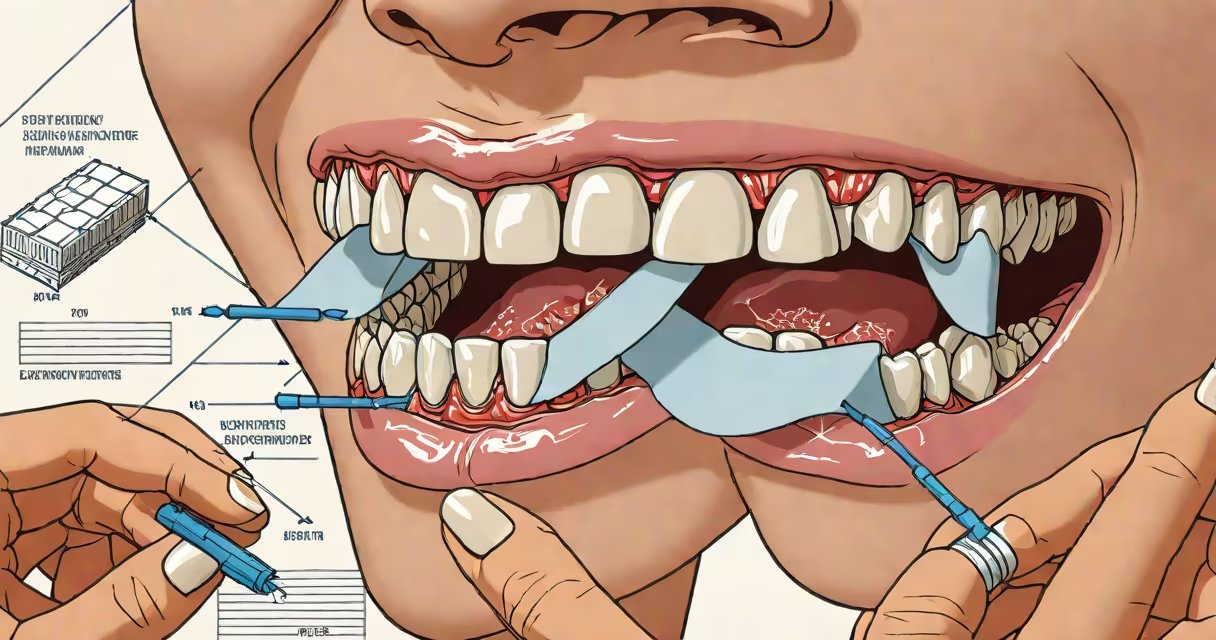
Pain in gum after extraction is a common short-term symptom following tooth removal, usually peaking within 24-48 hours and resolving within five days. It results from tissue trauma during surgery and inflammation as the body begins healing. The sensation often feels dull, throbbing, or sharp, especially when touching the area or chewing.
Dental extractions involve removing a tooth from its socket in the jawbone. After the procedure, the empty socket fills with blood and forms a clot. This clot protects the underlying bone and nerves while new tissue grows. Pain arises from nerve irritation, swelling, and pressure changes in the surrounding tissues. Most patients experience mild to moderate discomfort, which responds well to over-the-counter pain relievers like ibuprofen or acetaminophen.
The American Dental Association states that post-extraction pain lasting longer than seven days without improvement warrants clinical evaluation. Pain that worsens after the first few days or spreads to the ear, eye, or neck may indicate complications such as dry socket or infection. Dry socket occurs when the blood clot dislodges prematurely, exposing bone and nerves. It causes severe, radiating pain that often requires professional treatment.
How It Works: The Healing Process
After extraction, the body initiates a series of biological responses. Within minutes, platelets aggregate to form a fibrin-rich clot. Over the next 24-72 hours, inflammatory cells migrate to the site to clear debris and initiate tissue repair. Fibroblasts begin laying down collagen, and epithelial cells start covering the wound surface. By day 5, granulation tissue fills the socket, and by day 10, bone remodeling begins.
Pain during this phase stems from both mechanical pressure and chemical signaling. Prostaglandins and bradykinin released by damaged cells sensitize nerve endings, amplifying pain perception. Swelling increases local pressure, further stimulating nociceptors. These processes are normal and expected. However, disruption of the clot or bacterial invasion can alter the course of healing.
A 2021 study published in the Journal of Oral and Maxillofacial Surgery found that 1.6% of lower molar extractions result in dry socket. Risk factors include smoking, oral contraceptive use, and vigorous rinsing. Patients who smoke are 4.5 times more likely to develop dry socket compared to non-smokers. This underscores the importance of avoiding straws, spitting forcefully, or excessive mouth rinsing during early recovery.
Types and Common Triggers
Not all pain in gum after extraction is the same. The nature, timing, and location of pain help differentiate normal healing from complications.
| Pain Type | Onset | Duration | Common Causes | Red Flags |
|---|---|---|---|---|
| Mild to moderate ache | Immediately after surgery | 3-5 days | Normal tissue trauma, inflammation | Improves with medication |
| Severe, throbbing pain | 2-3 days post-op | Can last weeks | Dry socket, infection | Worsens over time, bad breath, visible bone |
| Localized tenderness | Day 1-2 | 1-2 weeks | Swelling, minor infection | Redness, pus, fever |
One non-obvious distinction: pain from dry socket rarely responds to standard NSAIDs. Instead, it requires saline irrigation and medicated dressings applied by a dentist. A 2019 randomized controlled trial showed that chlorhexidine mouthwash reduced dry socket incidence by 38% when used twice daily for three days post-extraction.
I once observed a patient return two days after a lower wisdom tooth extraction with intense pain radiating to their ear. The socket was empty, and bone was exposed. A diagnosis of dry socket confirmed. After cleaning and placing a medicated dressing, the pain dropped from 9/10 to 3/10 within 24 hours. This illustrates how misattributing pain can delay effective care.
Common Confusions and Misconceptions
Many patients mistake persistent pain for infection or nerve damage. However, true nerve injury after routine extraction is rare-occurring in less than 0.5% of cases, according to the International Journal of Oral and Maxillofacial Surgery. Most nerve-related symptoms resolve within six months. True neuralgia presents as burning, electric-like sensations, not dull ache.
Another misconception is that pain means the tooth wasn't fully removed. Pain in gum after extraction is unrelated to whether the root was completely extracted. A retained root fragment may cause localized swelling but not generalized pain. Radiographic imaging confirms root presence, not symptom interpretation.
Some patients assume they must avoid all food after extraction. In reality, soft foods like mashed potatoes, yogurt, and applesauce are safe. Crunchy or spicy foods increase risk of clot disturbance. Cold liquids and ice packs reduce swelling and pain during the first 24 hours. The key is avoiding anything that requires forceful sucking or chewing near the surgical site.
When to Seek Help
Pain in gum after extraction that persists beyond five days or returns after initial improvement should prompt a visit to your dentist. Signs of concern include increasing pain, foul-smelling discharge, fever above 100.4°F, or inability to open the mouth fully. These suggest infection or dry socket.
If you're unsure whether your pain is normal, consult your dental provider. They may recommend a follow-up x-ray to rule out retained fragments or bone fragments. A 2020 review in the British Dental Journal emphasized that early intervention reduces the need for surgical debridement and antibiotic use.
Most cases of pain in gum after extraction resolve without intervention. Following post-operative instructions, using prescribed medications, and attending follow-ups ensures a smooth recovery. When pain exceeds expectations, timely evaluation prevents complications and restores comfort quickly.