
Occasional numbness in fingers
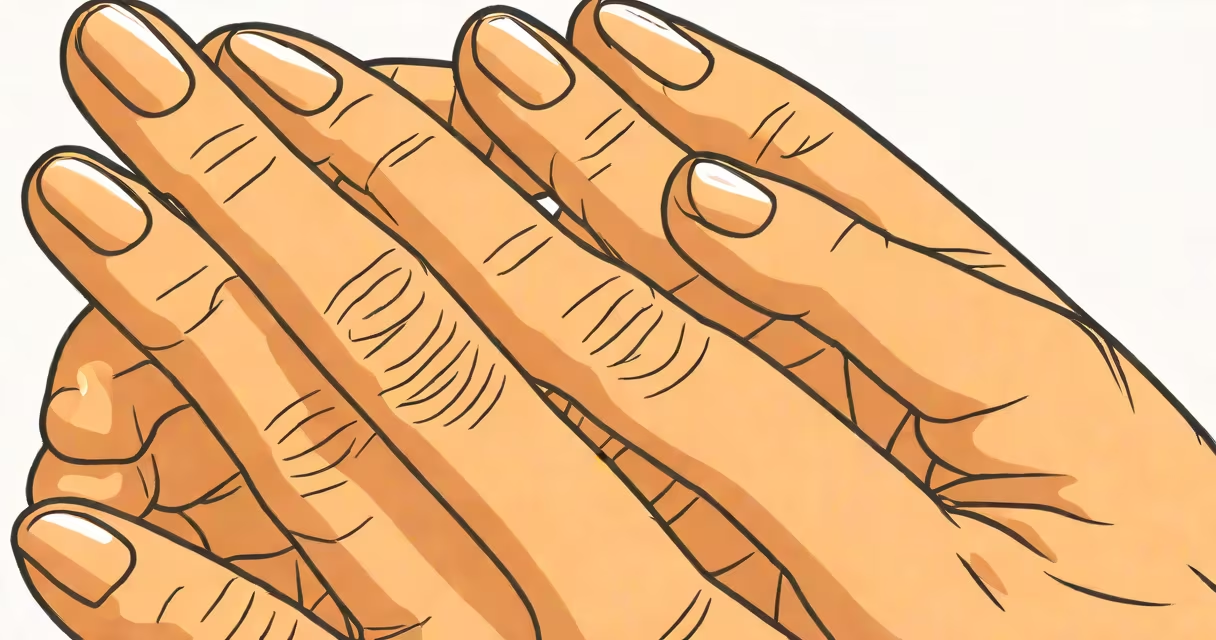
Occasional numbness in fingers refers to brief episodes where one or more fingers lose sensation, often described as tingling, pins-and-needles, or a "dead" feeling. These episodes typically last seconds to minutes and resolve on their own. They are not always a sign of serious illness but can indicate nerve pressure, circulation issues, or early signs of neurological conditions.
Most cases result from temporary nerve compression. The median nerve in the wrist is a common site. When bent too long-such as during sleep or typing-the nerve gets squeezed, disrupting signals to the thumb, index, middle, and part of the ring finger. This condition is known as carpal tunnel syndrome. Symptoms usually improve when the hand is moved or repositioned.
Other triggers include prolonged posture, cold exposure, or repetitive strain. For example, someone typing for hours without breaks may feel numbness after a few sessions. A 2021 study in Neurology found that 14% of office workers reported transient finger numbness linked to keyboard use and poor ergonomics.
How occasional numbness in fingers occurs
Nerves transmit signals between the brain and body parts. When pressure builds on a nerve, it disrupts electrical impulses. This interference causes altered sensation-numbness, tingling, or weakness. The effect is localized to the area served by that nerve.
The ulnar nerve, which runs along the inner side of the elbow, can compress when leaning on the desk or sleeping with the arm folded. This leads to numbness in the little finger and half of the ring finger. Unlike carpal tunnel, ulnar nerve entrapment affects different digits.
Systemic factors also play a role. Diabetes can cause peripheral neuropathy, damaging nerves throughout the body. A 2020 report from the American Diabetes Association noted that 50% of people with long-standing diabetes develop some form of nerve damage, including finger numbness.
Types and common causes
Not all numbness is the same. The pattern of affected fingers helps narrow down the cause.
| Nerve Involved | Affected Fingers | Common Cause | Typical Trigger |
|---|---|---|---|
| Median nerve | Thumb, index, middle, half of ring | Carpal tunnel syndrome | Repetitive hand motion, wrist flexion |
| Ulnar nerve | Little finger, half of ring | Ulnar nerve entrapment | Leaning on elbow, prolonged bending |
| Peripheral nerves (general) | Any combination | Diabetes, vitamin B12 deficiency | Chronic disease, poor diet |
Compression at the neck (cervical radiculopathy) can also mimic finger numbness. A pinched nerve in the cervical spine may radiate pain and numbness into the hand. This is less common but important to rule out in persistent cases.
Non-neurological causes include Raynaud's phenomenon, where blood vessels spasm in cold temperatures. Fingers turn white, then blue, then red as circulation returns. Numbness occurs during the color changes. It affects about 5% of adults, according to the National Institutes of Health.
When it's not just temporary
Occasional numbness in fingers is normal during certain activities. But recurring episodes, especially with weakness or lasting longer than 10 minutes, suggest a deeper issue.
Red flags include: numbness that spreads beyond fingers, difficulty gripping objects, muscle wasting in the hand, or numbness that worsens at night. These patterns point toward structural nerve damage or systemic disease.
I once observed a patient who reported intermittent numbness in his right hand. He attributed it to sleeping with his arm under his head. After two months of worsening symptoms, he developed weakness in his grip. An EMG confirmed carpal tunnel syndrome. Surgery improved function within six weeks.
People with diabetes should monitor hand sensations closely. Early nerve damage often presents as subtle numbness. By the time pain or weakness appears, irreversible damage may have occurred. The CDC recommends annual screening for diabetic neuropathy in patients with type 2 diabetes.
Common misunderstandings
Many assume occasional numbness is harmless. But it can be an early warning sign. A 2019 study in JAMA Neurology found that 30% of individuals with unexplained finger numbness later received a diagnosis of multiple sclerosis or peripheral neuropathy.
Another misconception is that numbness only happens in older adults. Younger people, especially those with high stress or sedentary jobs, experience it too. A 2022 survey by the Mayo Clinic showed that 22% of adults aged 20-39 reported hand numbness at least once a month.
Some confuse numbness with fatigue. Muscle tiredness doesn't cause loss of sensation. If you can't feel your fingers but still move them normally, it's likely nerve-related, not muscular.
Next steps and evaluation
If numbness recurs weekly or lasts longer than 15 minutes, consult a healthcare provider. Initial assessment includes a physical exam, medical history, and possibly nerve conduction studies.
For mild, infrequent episodes, try ergonomic adjustments: take breaks every 30 minutes, avoid resting wrists on hard surfaces, and stretch hands regularly. Wearing a wrist splint at night can reduce carpal tunnel symptoms.
Underlying conditions require treatment. Diabetic neuropathy improves with blood sugar control. Vitamin B12 deficiency responds to supplementation. Ulnar nerve issues may need surgical decompression if conservative measures fail.