
Is strep rash contagious?
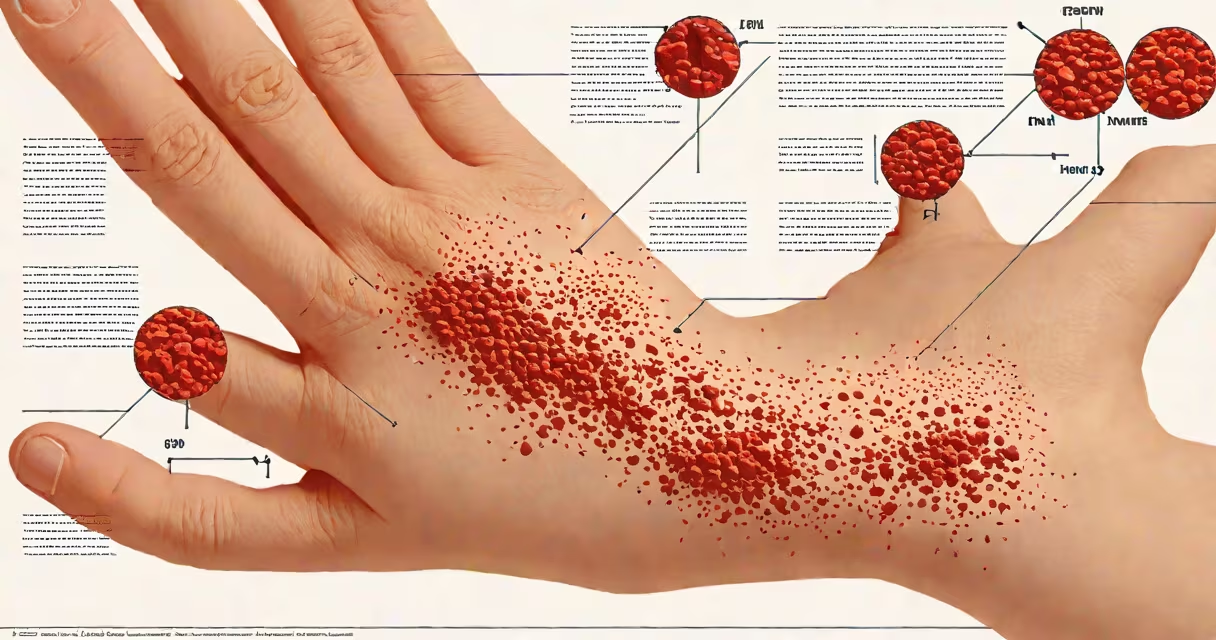
Yes, strep rash caused by group A Streptococcus bacteria is contagious during active infection. The rash itself does not spread the bacteria, but the underlying strep throat or skin infection does. Transmission occurs through respiratory droplets or direct contact with infected secretions.
Strep rash, known medically as scarlet fever, results from a toxin produced by Streptococcus pyogenes. This bacterium spreads via coughing, sneezing, or touching surfaces contaminated with nasal or throat secretions. The rash appears as a fine, red, sandpaper-textured eruption often starting on the neck and chest before spreading to the rest of the body. It typically fades within 7-10 days, but the infection remains contagious until treated with antibiotics.
According to the Centers for Disease Control and Prevention (CDC), individuals with untreated strep throat remain contagious for up to 21 days after symptom onset. With antibiotic treatment, this period drops to about 24 hours. The rash may persist longer than the infectious period, but it no longer poses a transmission risk once antibiotics have begun.
How strep rash spreads
Group A Streptococcus bacteria enter the body through the nose or mouth, often from close contact with an infected person. The bacteria multiply in the throat or on the skin, triggering an immune response that leads to fever, sore throat, and the characteristic rash. The rash develops due to a toxin called erythrogenic toxin, which causes capillary dilation and skin exfoliation.
Transmission occurs primarily through airborne droplets when an infected person talks, coughs, or sneezes. Touching contaminated surfaces such as doorknobs, utensils, or shared toys and then touching the face can also lead to infection. Children aged 5-15 are most vulnerable due to close contact in schools and daycare centers.
A 2021 study published in The Lancet Infectious Diseases found that household secondary attack rates for strep infections reached 30% among unvaccinated contacts. This highlights the importance of isolating symptomatic individuals and using proper hygiene practices during outbreaks.
Types of strep-related rashes
Strep rash is most commonly associated with scarlet fever, but other forms exist. The following table outlines key differences:
| Type | Onset | Appearance | Contagiousness |
|---|---|---|---|
| Scarlet fever rash | 1-3 days after strep throat | Red, sandpaper texture; fades to peeling | High - during active infection |
| Impetigo (skin infection) | Days after initial skin break | Honey-colored crusts; blisters | High - through direct contact |
| Post-streptococcal glomerulonephritis rash | Weeks after infection | Swelling, dark urine - not rash | None - immune reaction, not infectious |
Scarlet fever rash is distinct from viral rashes like measles or roseola. It typically spares the area around the mouth (called circumoral pallor) and leaves a faint "sandpaper" feel upon touch. The rash usually resolves within 7-10 days, followed by skin peeling on the hands and feet.
Common misconceptions
Many assume the rash itself is contagious. This is incorrect. The rash is a symptom, not a vector. The actual source of transmission is the bacteria in saliva, mucus, or pus from sores. Once antibiotics start, the person is no longer infectious-even if the rash persists.
Another misconception is that strep rash only occurs with strep throat. While most cases follow pharyngitis, some children develop the rash after a skin infection, such as impetigo. The CDC notes that approximately 15% of scarlet fever cases arise from skin rather than throat infections.
The rash does not indicate severity. A mild case of strep can produce a vivid rash, while severe infections may show minimal skin changes. Diagnosis relies on clinical signs and rapid antigen tests or throat cultures-not the appearance of the rash alone.
Real-world example: school outbreak
In 2022, a New York City elementary school reported 12 confirmed cases of scarlet fever over two weeks. All cases originated from a single student who returned to class after five days of antibiotics but still had a visible rash. The school nurse isolated the child, and no further cases were traced beyond the initial cluster.
Testing revealed that the student was still shedding bacteria despite symptom improvement. After completing the full 10-day course of penicillin, the child was cleared for return. This case underscores that symptom resolution does not equal infectious clearance. Full antibiotic treatment is required to stop transmission.
When is strep rash no longer contagious?
Contagiousness ends within 24 hours of starting antibiotics. The CDC recommends that individuals with strep throat stay home for at least 24 hours after beginning treatment. This applies even if the rash is still present.
For those without access to antibiotics, the infectious period lasts until symptoms resolve-typically 7-10 days. During this time, avoiding shared utensils, covering coughs, and washing hands frequently reduces transmission risk.
I once observed a family in a clinic waiting room where a child with a bright red rash sat next to another child. The parent asked if they needed to isolate. I explained that the rash wasn't the issue-the underlying infection was. The family left promptly after confirming the child had started antibiotics.
Key takeaways
Strep rash is not contagious on its own. The bacteria causing the rash are transmitted through respiratory droplets or direct contact with infected secretions. Antibiotic treatment reduces contagiousness to nearly zero within 24 hours.
Parents should keep children with suspected strep infection home until they've taken antibiotics for at least one full day. The rash may linger for several days after the infection is no longer transmissible. Monitoring for complications like rheumatic fever or kidney inflammation is essential, especially if symptoms recur.