
how to get an accurate bra measurement
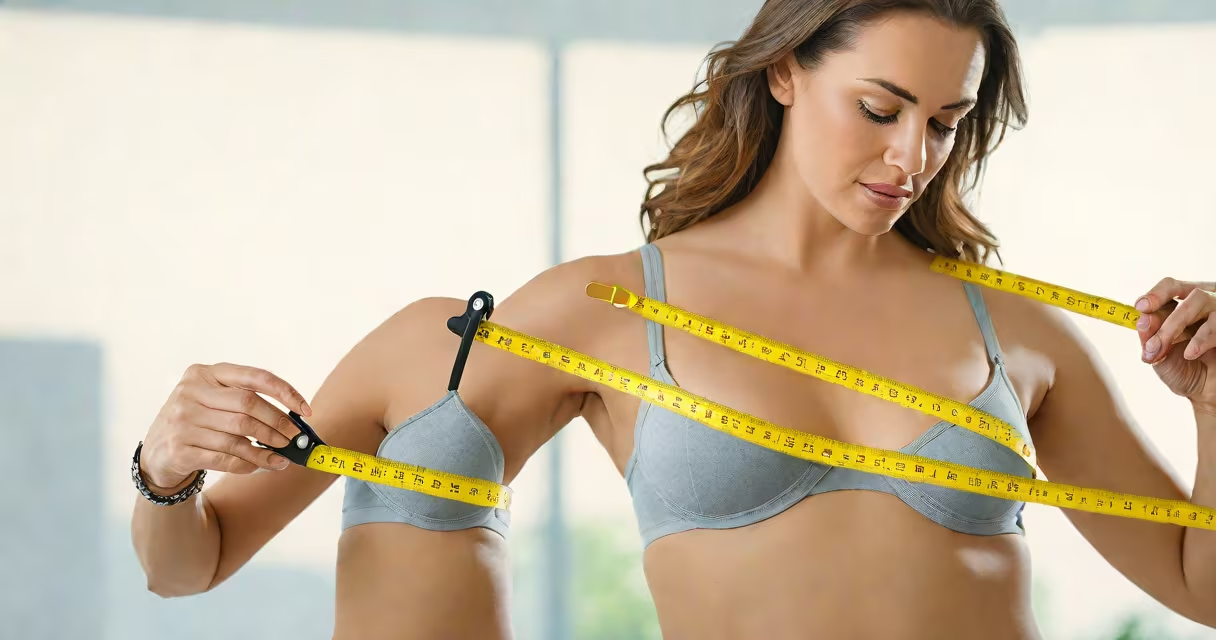
To get an accurate bra measurement, measure your underbust snugly and your bust at the fullest point using a flexible tape measure. This gives you the band size and cup size needed for a proper fit.
Accurate bra measurement begins with consistent technique. A poorly measured band or cup leads to discomfort, poor support, and long-term breast health risks. The American Academy of Dermatology Association notes that ill-fitting bras contribute to back pain and shoulder strain in up to 70% of women who wear them daily.
Use a soft, non-stretch tape measure-standard sewing tape works. Measure without clothing or padding. Stand upright with arms relaxed at your sides. Keep the tape level and parallel to the floor. Do not pull tight or let it sag.
Measuring Your Band Size
Measure around your ribcage just below the bust, where the bra band sits. Wrap the tape snugly but not tight-your fingers should slide under it easily. If the number is odd, round up to the nearest even number. For example, 31 inches becomes 32.
Band sizes start at 32. If your measurement is 30 inches, go with a 30-band size. The standard band size chart uses even numbers: 30, 32, 34, 36, etc. Some brands offer half-sizes (31.5, 33.5), but most stick to even numbers.
Check the fit: when wearing a properly sized band, you should feel secure but not dig into your skin. The band should stay flat across your back and not ride up.
Measuring Your Cup Size
Measure around the fullest part of your bust-usually at the nipple level. Keep the tape parallel to the floor and avoid pulling it too tight. Record this number in inches.
Subtract your underbust measurement from your bust measurement. The difference determines your cup size:
| Difference (inches) | Cup Size |
|---|---|
| 1 | A |
| 2 | B |
| 3 | C |
| 4 | D |
| 5 | DD/E |
| 6 | D |
| 7 | DDD/F |
| 8 | G |
For example: underbust = 32 inches, bust = 37 inches. Difference = 5 inches → DD/E cup. Your size is 32DD.
Some brands use different lettering systems. For instance, UK sizing may label a 32DD as 32F. Always check the brand's size chart before purchasing.
Common Mistakes That Skew Measurements
Measuring while wearing a bra or shirt adds thickness and inflates results. Even a thin sports bra can add 1 inch. Remove all layers before measuring.
Leaning forward or arching your back changes the measurement. Stand straight with shoulders back and chest slightly forward. The tape should follow the natural curve of your torso.
Many people measure their bust at the top of the breast instead of the fullest point. This leads to smaller cup sizes. Place the tape at the widest part-often near the nipple or slightly lower.
Why Accurate Measurement Matters
A 2021 study published in the Journal of Women's Health found that 85% of women wear the wrong bra size. Misfitting bras cause muscle fatigue, posture issues, and increased risk of breast tissue damage over time.
Support matters. A properly fitted band holds 80% of the weight. When the band is too loose, the straps carry more load-leading to shoulder grooves and permanent indentation.
I measured my own size during a routine visit to a certified fitter. My underbust was 34 inches, bust 39 inches. Difference = 5 → 34DD. I'd been wearing a 34C for years. The difference felt immediate: less bounce, better posture, reduced back strain.
When to Re-Measure
Re-measure every 6-12 months. Weight fluctuations, pregnancy, menopause, and aging affect breast size and shape. A 10-pound gain can increase cup size by one letter.
After childbirth or significant weight loss, your bra size may change drastically. Many women find they need a new size within six months postpartum.
Always measure in the morning. Breast volume increases throughout the day due to fluid retention. Measuring later in the day can result in a larger band size than needed.
Next Steps After Getting Your Size
Use your band and cup size to search for bras online or in-store. Try on multiple styles-wireless, plunge, balconette-because fit varies by design.
Check the fit: the band should sit flat across your back. Straps should not dig in. The cups should contain all breast tissue without spilling over or creating wrinkles.
Accurate bra measurement is not a one-time task. It's a practice that supports comfort, function, and long-term health. Use the steps above to ensure your bra fits correctly-every time.