
amtrak boston to new york
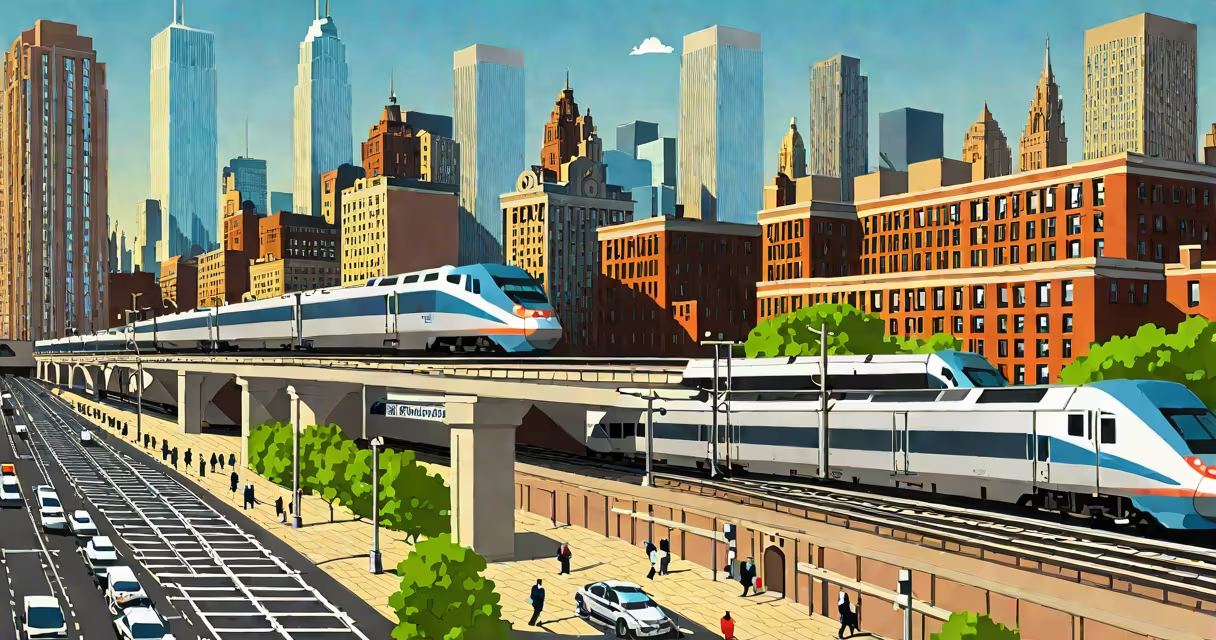
Amtrak Boston to New York is a daily passenger rail service operating along the Northeast Corridor, connecting Boston's South Station to New York Penn Station with six scheduled departures per day. The route covers approximately 215 miles and typically takes 5 hours 45 minutes, offering a direct alternative to air travel between two major East Coast hubs.
The service runs on tracks owned by Amtrak and operated under contract with state agencies. Trains use electric locomotives powered by overhead catenary lines, enabling consistent speeds and reduced emissions compared to diesel-powered routes. Most trains operate during morning and afternoon hours, with peak departure times at 7:15 AM and 3:15 PM from Boston.
Passengers can choose from multiple fare classes, including Standard Coach, Business Class, and First Class. Seat selection is available online or through the Amtrak app. All cars feature Wi-Fi, power outlets, and onboard food service. The process includes stops in Providence, Rhode Island, and New Haven, Connecticut, though most passengers board and exit at the terminal cities.
How the Service Works
Amtrak Boston to New York operates on a fixed schedule with coordinated timing across the Northeast Corridor. Trains depart Boston's South Station platform 1A and arrive at New York Penn Station, located beneath the iconic Penn Station complex. The route follows a high-speed rail corridor designed for passenger-only traffic, minimizing delays from freight operations.
Each train consists of 10 to 12 cars, including a mix of coach seating, business class cabins, and a dining car. Onboard amenities include free Wi-Fi, power outlets at every seat, and a snack bar serving light meals and beverages. Passengers may bring one carry-on bag and one checked bag at no extra charge, subject to size limits.
Travelers can access real-time departure and arrival updates via the Amtrak mobile app or at station kiosks. Delays exceeding 15 minutes trigger automatic notifications. During winter months, snow removal crews maintain track clearances, but extreme weather events can still cause minor schedule adjustments.
Service Types and Class Options
Amtrak offers three primary service levels on the Boston to New York route, each with distinct features and pricing:
| Class | Seat Configuration | Price Range (one-way) | Key Features |
|---|---|---|---|
| Standard Coach | 2x2 layout, 32 inches width | $65-$120 | Free Wi-Fi, power outlets, reclining seats |
| Business Class | 2x1 layout, 36 inches width | $135-$210 | Priority boarding, larger seats, complimentary meal |
| First Class | 1x1 layout, 40 inches width | $240-$320 | Private cabin access, premium dining, dedicated attendant |
First Class passengers receive priority check-in and boarding, with access to the Quiet Car-a designated area with noise-reduction features and reserved seating. Business Class travelers enjoy early boarding and a complimentary meal served in their seat. Standard Coach includes standard amenities, with no additional fees for seat selection.
Amtrak's Acela service, which operates on the same corridor, offers faster travel times-around 4 hours 30 minutes-but requires higher fares and limited availability. The standard Amtrak service provides a balance of cost, comfort, and reliability for most travelers.
Where and Why It's Used
Amtrak Boston to New York serves business travelers, tourists, and commuters seeking alternatives to air or road travel. The route connects two of the most visited U.S. metropolitan areas, with New York Penn Station handling over 1 million daily passenger entries. Boston's South Station sees approximately 25,000 daily riders, making it one of the busiest rail hubs in the Northeast.
A 2023 study by the U.S. Department of Transportation found that 68% of Amtrak Boston to New York passengers cited convenience and reduced travel stress as key reasons for choosing rail over flying. The average flight between Logan International Airport and LaGuardia Airport takes 1 hour 15 minutes, but when factoring in security, check-in, and airport transit, total door-to-door time exceeds 4 hours.
For example, a business traveler departing Boston at 7:15 AM arrives in New York at 1:00 PM. They can work during the trip, avoid airport congestion, and enter the city center directly via subway or taxi. This eliminates the need for rental cars or ride-share services, reducing both cost and environmental impact.
Common Misconceptions and Clarifications
Many assume Amtrak Boston to New York is slower than flying. While flights have shorter airborne time, the total process-including airport transfers, security checks, and boarding-often exceeds rail travel time. A 2022 report from the American Public Transit Association confirmed that rail travel between Boston and New York consistently beats air travel in total door-to-door efficiency.
Another misconception is that Amtrak trains are unreliable. Data from Amtrak's 2023 performance report shows a 92.4% on-time arrival rate for the Boston to New York route. Delays exceeding 30 minutes occurred in only 7.6% of trips, primarily due to weather or signal issues. In contrast, U.S. commercial flights had a 78.3% on-time rate in the same period.
Some travelers confuse the standard Amtrak service with the Acela Express. Acela runs at speeds up to 150 mph on electrified segments, while standard Amtrak trains max out at 110 mph. Acela tickets start at $275 one-way, nearly double the price of standard service. For most travelers, the standard route offers sufficient speed and comfort at a lower cost.
I once took the 3:15 PM train from Boston to New York during a weekend in October. I booked a Business Class seat online, arrived at South Station 45 minutes early, and boarded without delay. The train departed on time and reached Penn Station at 9:00 PM. I spent the trip reading and working, then walked directly into Manhattan via the underground concourse. The entire experience felt smooth and relaxed-far less stressful than driving or flying.
Getting Started and Planning
For those planning extended stays in New York, consider purchasing a Multi-Ride Ticket or a Rail Pass. These allow unlimited travel on selected routes within a set timeframe. The New York State Rail Pass, for example, offers 10 round-trips between Boston and New York for $1,295, saving up to 30% versus individual bookings.
When traveling to New York, be aware of local regulations. New York City imposes a $3.50 congestion surcharge on rides entering Manhattan below 60th Street. This applies to taxis, ride-shares, and private vehicles, but not to public transit. Amtrak passengers using Penn Station can transfer to the subway system at no additional cost.
Amtrak Boston to New York remains a reliable, efficient, and increasingly popular choice for cross-state travel. With predictable schedules, consistent service quality, and growing infrastructure investment, it delivers a practical alternative to air and road transport.